Veo 3.1 Skincare UGC Prompt: A Six-Second Mirror-Selfie Test
Test a six-second Veo 3.1 skincare UGC prompt with three real outputs. See the exact prompt, visible serum beads, hand errors and review limits.
PROMPT LIBRARY · SKINCARE · MIRROR SELFIE
By Token360 · Test date: November 5, 2026
Experimental template · three V2 outputs · known action errors
This Veo 3.1 skincare UGC prompt generates a six-second vertical bathroom-mirror scene with a pipette and fingertip application. Three Token360 API outputs captured the intended setting, but drop release, application continuity and hand count did not reliably follow the brief. Treat it as an experimental concept template, not a verified product-use demonstration.
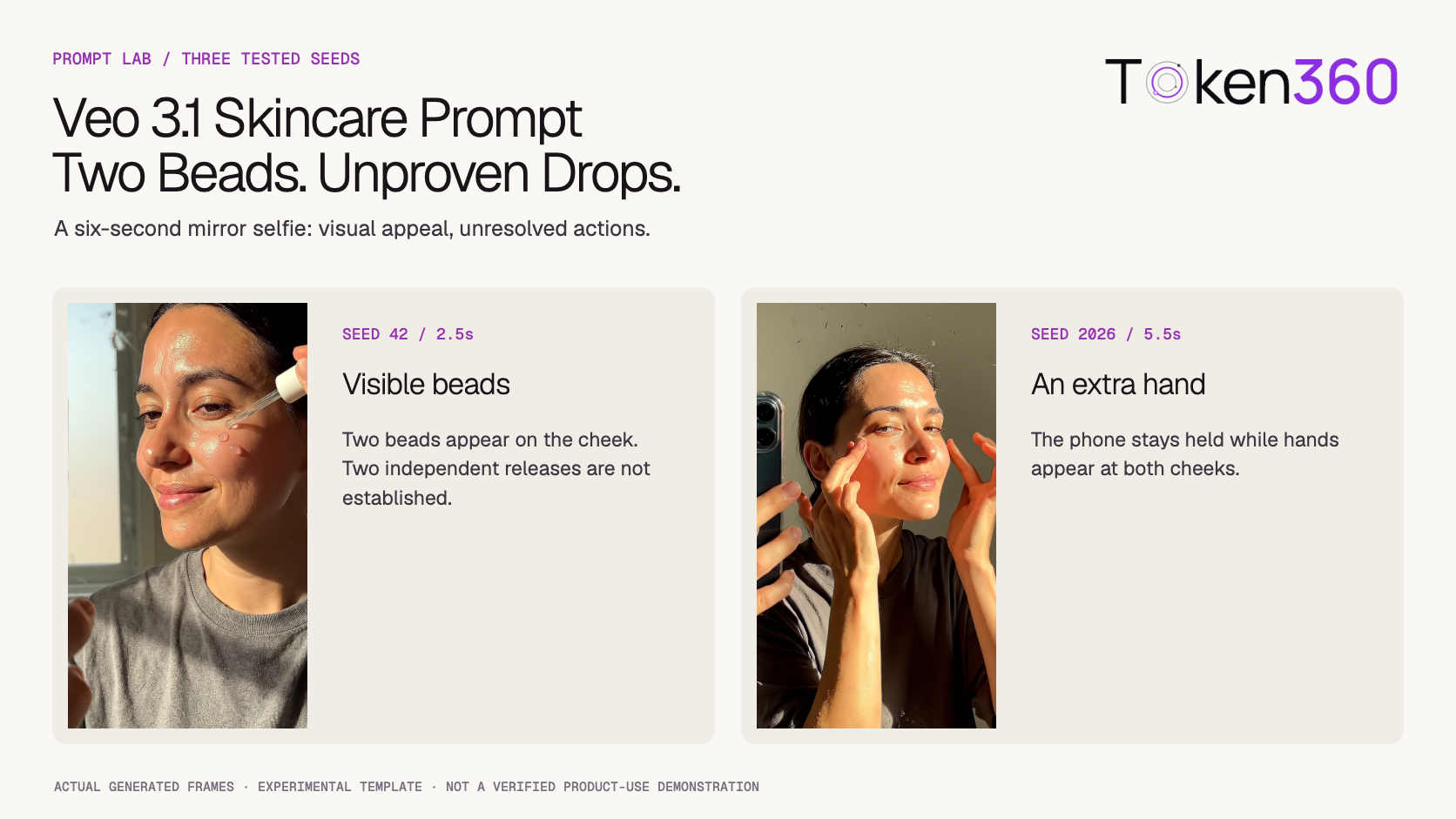
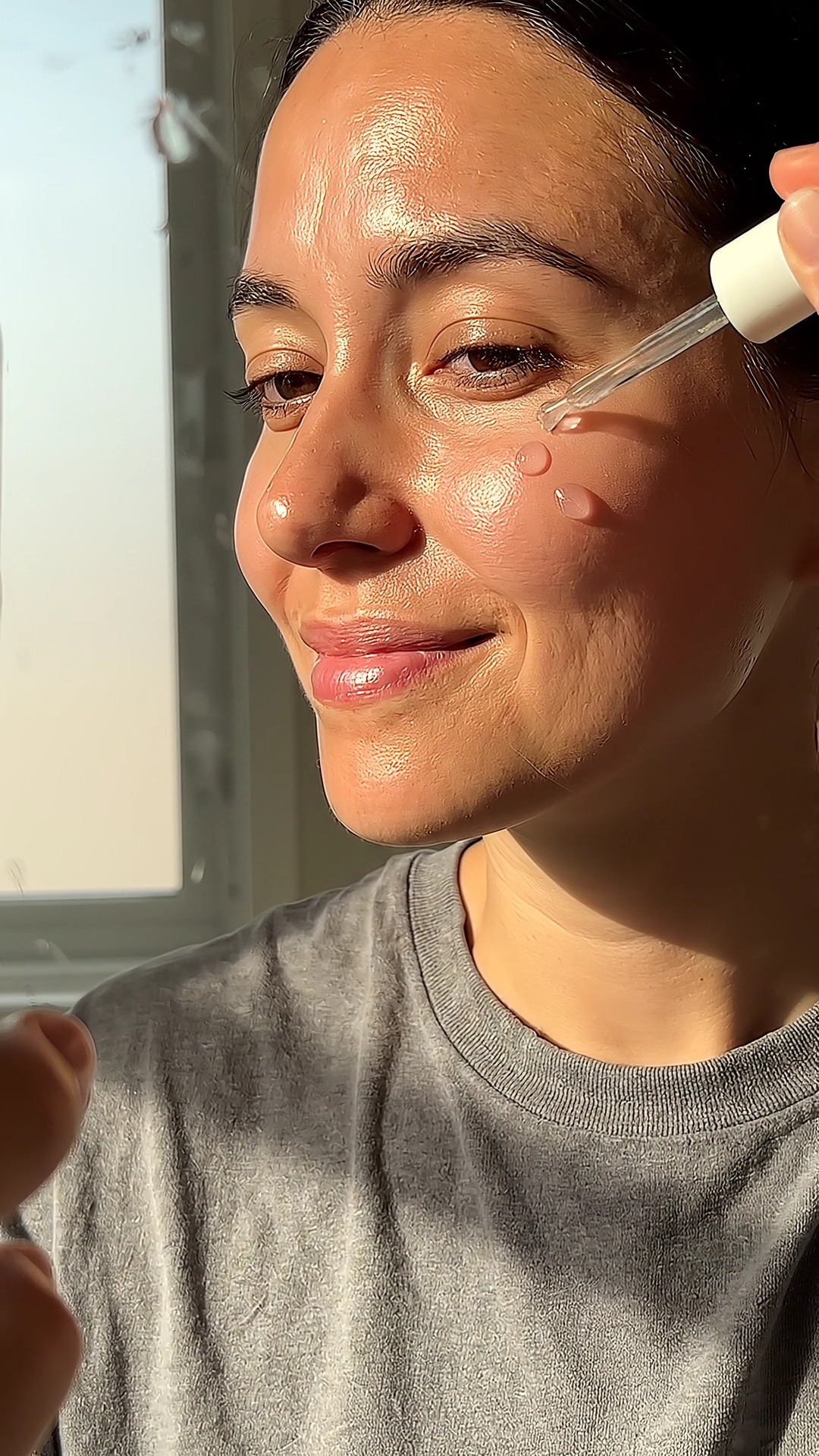
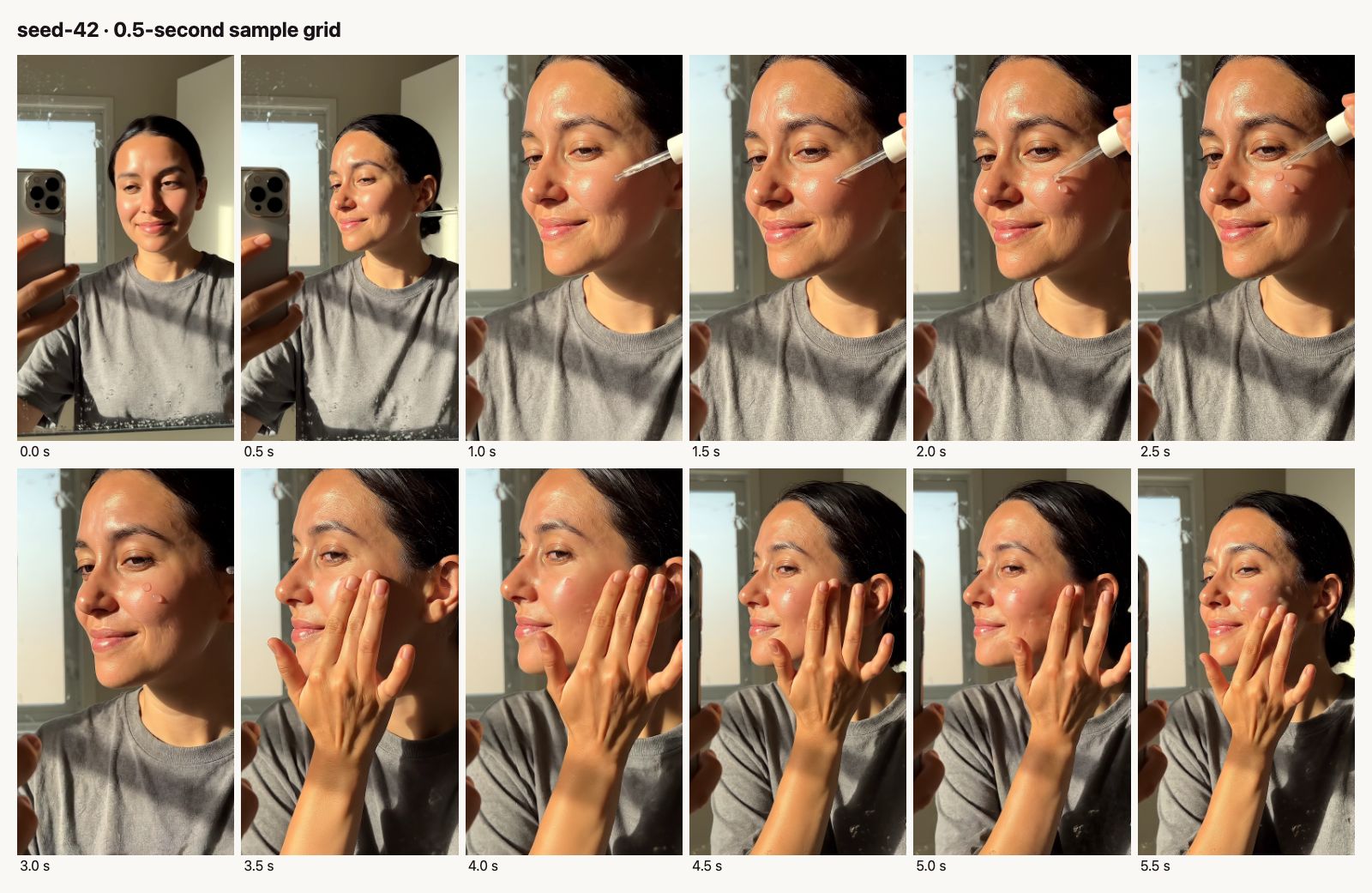
Seed 42 is the selected showcase: two separate beads are visible on the cheek before the application shot. That is a narrower finding than two clearly observed drops forming, detaching and landing. The other outputs are included because a selected attractive clip cannot establish repeatable performance.
Useful for: exploring a mirror-selfie aesthetic and testing a skincare concept. Not established: exact two-drop execution, accurate branded packaging, or an unchecked deliverable ready for a client.
Read first: the Veo API guide explains generation requests and retrieval. This page owns the specific skincare mirror-selfie prompt and its observed limitations.
What did the skincare prompt actually generate?
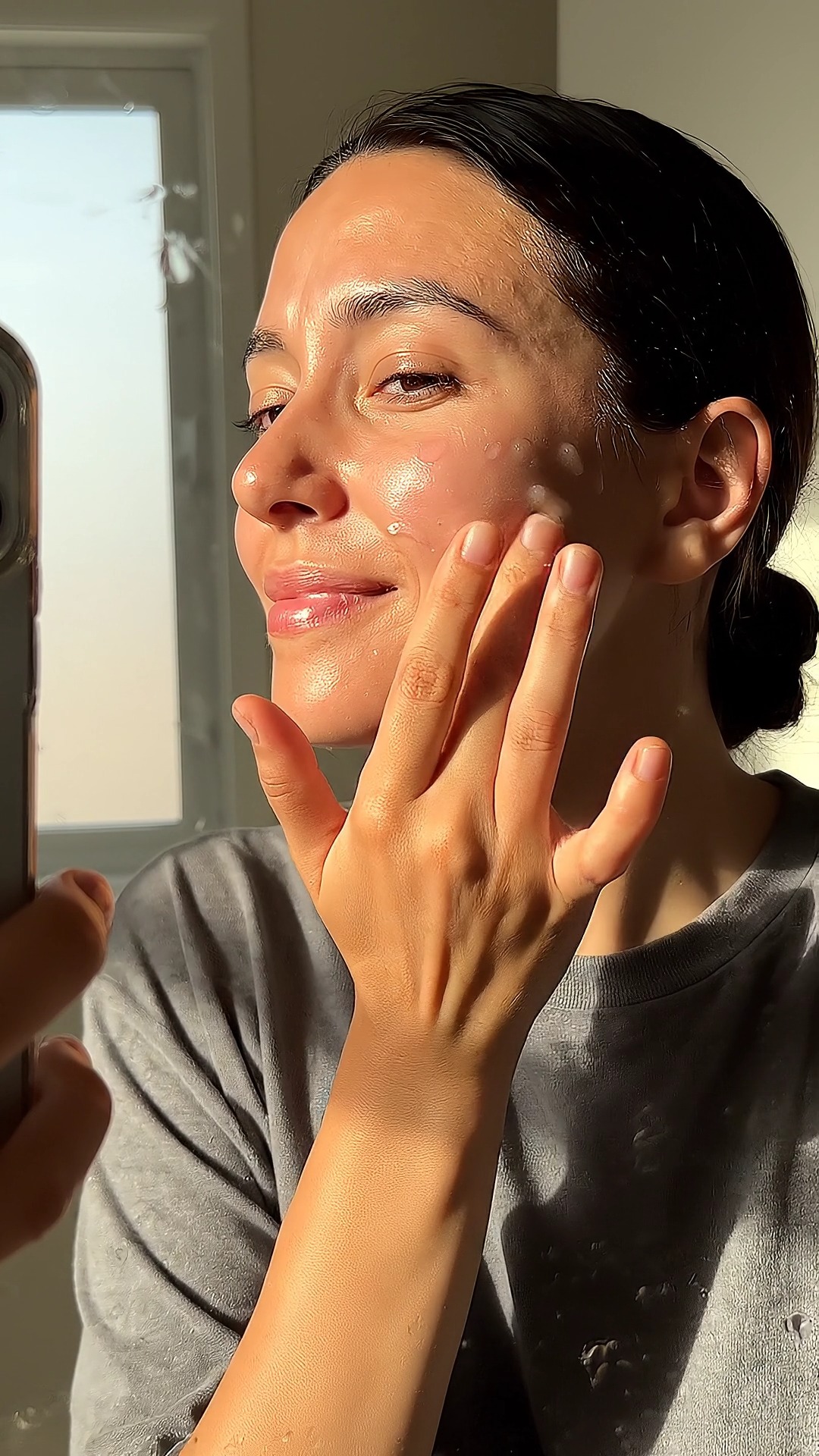
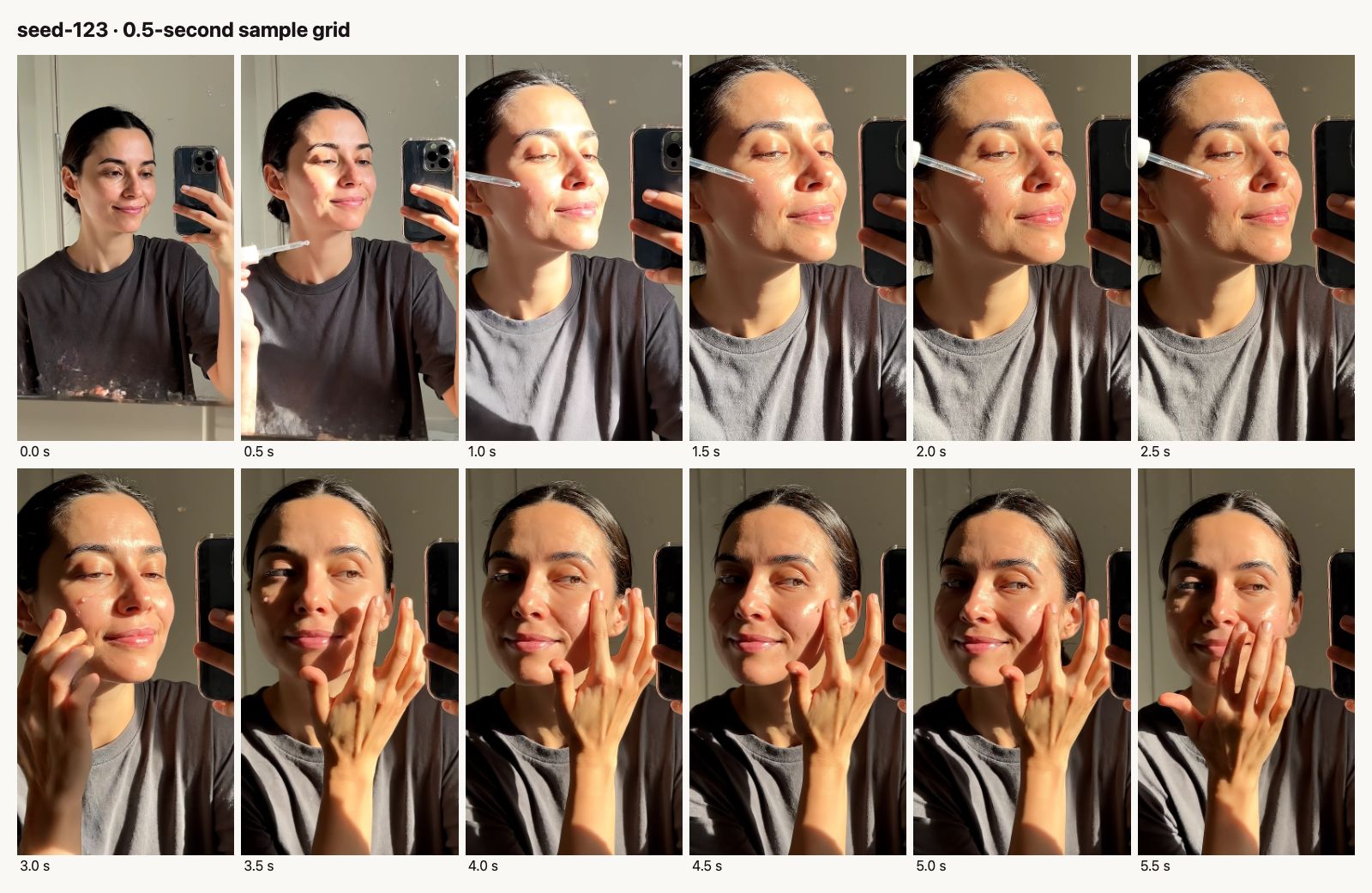
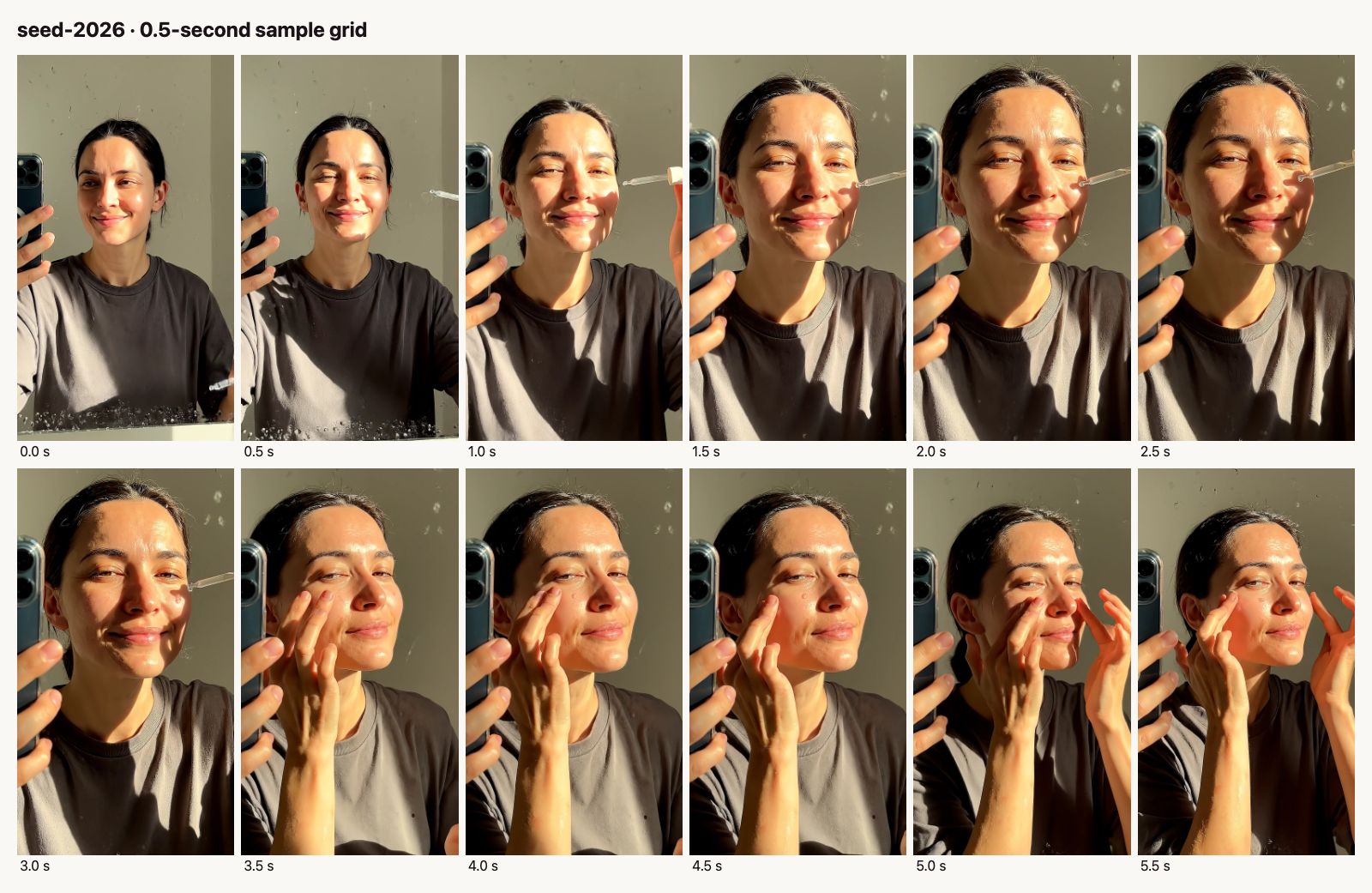
The three V2 outputs retained a woman, mirror-selfie framing and skincare actions, but they diverged on the details needed for a credible demonstration. Seed 42 showed two beads and a move into application. Seed 123 changed the application side, while Seed 2026 introduced an additional hand near the ending.
Seed
Visible result
Known limitation
42 · selected showcase
Two beads on the cheek, followed by fingertip application.
Pipette very close to skin; two independent downward releases are not clearly established; application continues near the ending.
123
Mirror-selfie setting and application remain recognizable.
Pipette approaches nearly sideways; application shifts between cheeks around 3–3.5 seconds.
2026
Woman, phone, pipette and application appear.
Around 5–5.5 seconds, the phone is still held while a hand appears at each cheek.
These are three outputs of one adapted prompt, not a success-rate study. We did not conceal the less usable results or interpret visual atmosphere as proof of accurate physical execution. The generated woman is part of the synthetic scene, not a real customer providing a product testimonial.
Seed 42: two visible beads are not the whole action
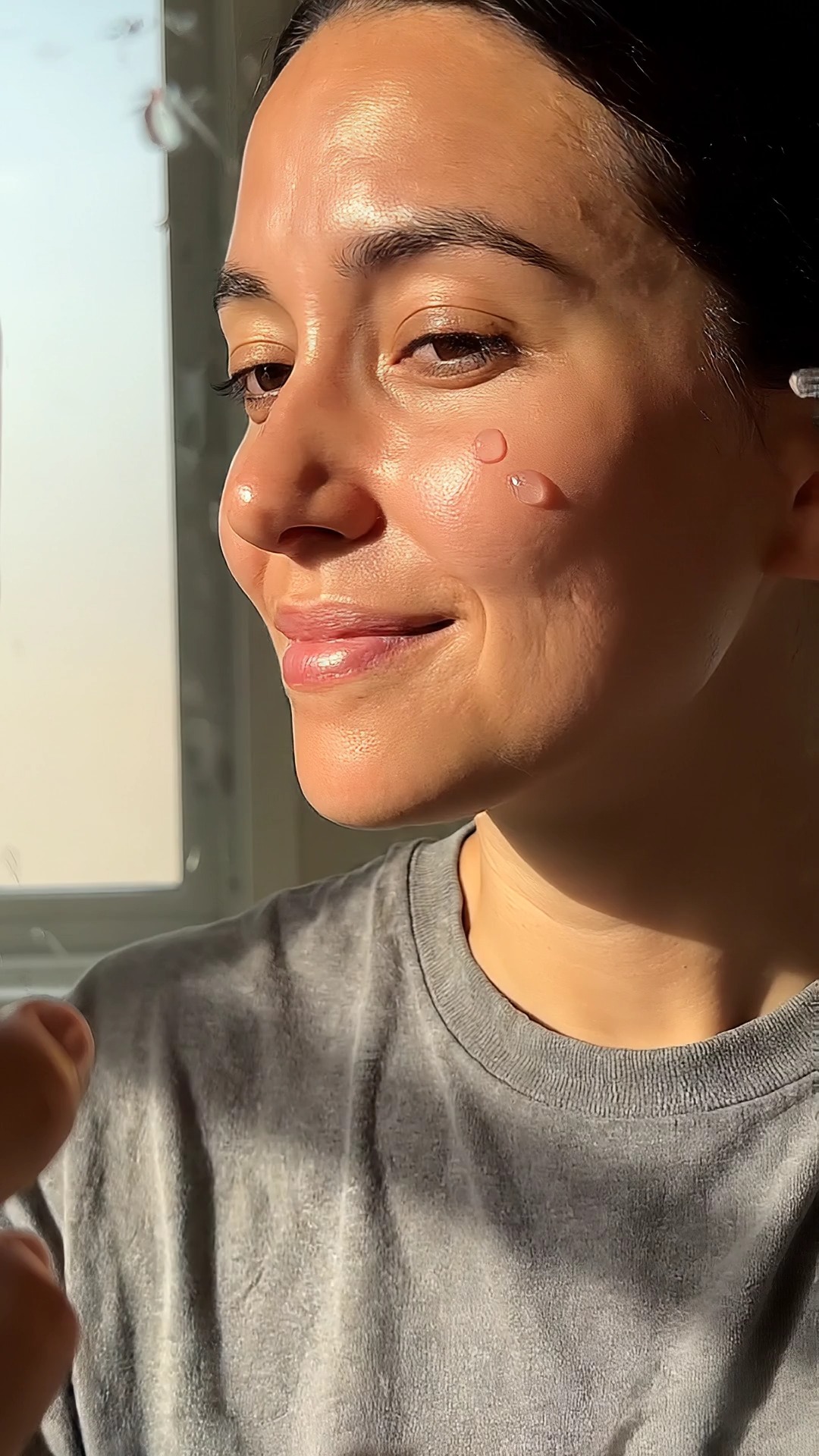
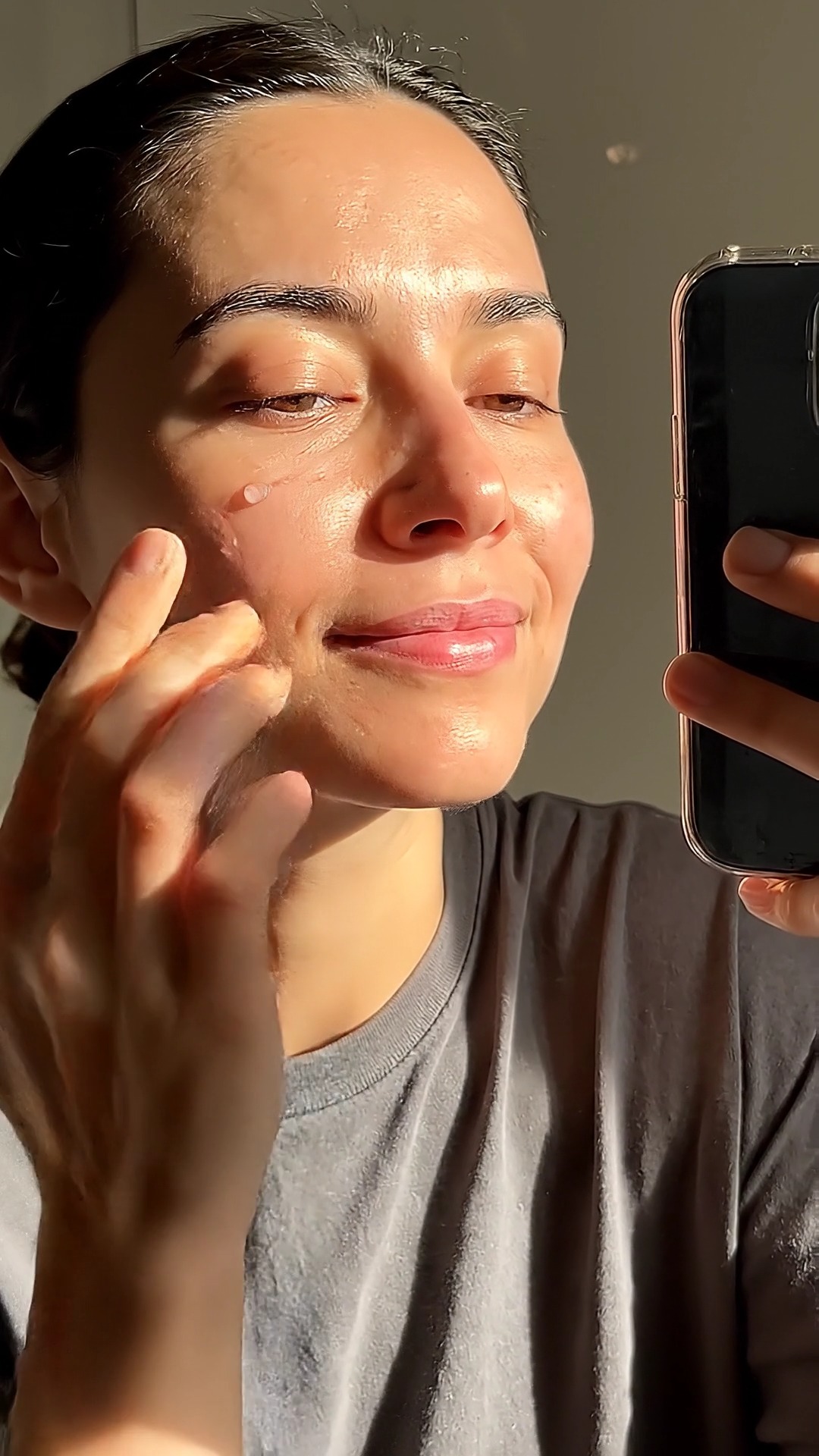
The selected output makes the intended sequence easiest to recognize. At about 2.5–3 seconds, two separate beads are visible, and application follows. Yet the pipette approaches very close to the skin rather than maintaining the requested clear gap and obvious downward releases. The final samples still show rubbing rather than a completed hand-lowered finish.
Seed 42: visible beads at 2.5–3s; fingertip application continues at 5.5s. Actual generated frames, sampled at the indicated times. Click to inspect at full resolution.
A static result can satisfy a count without satisfying the process that produced it. For this prompt, the requested action was not simply “two wet spots”: each drop had to form at the tip, separate completely, travel downward and land before the next action. The footage does not provide clear evidence that this full sequence was achieved.
Seed 123: the treatment area changes
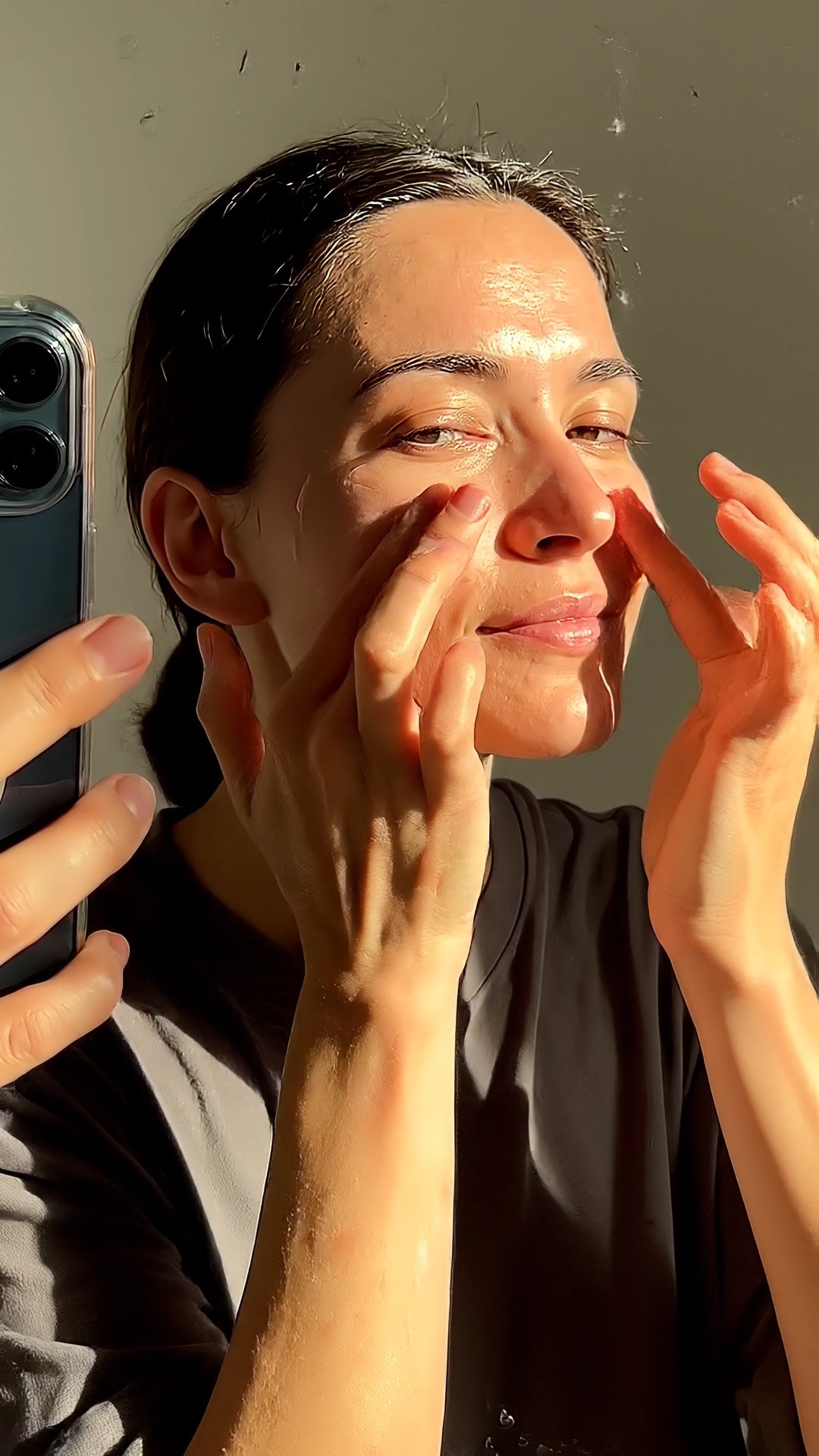
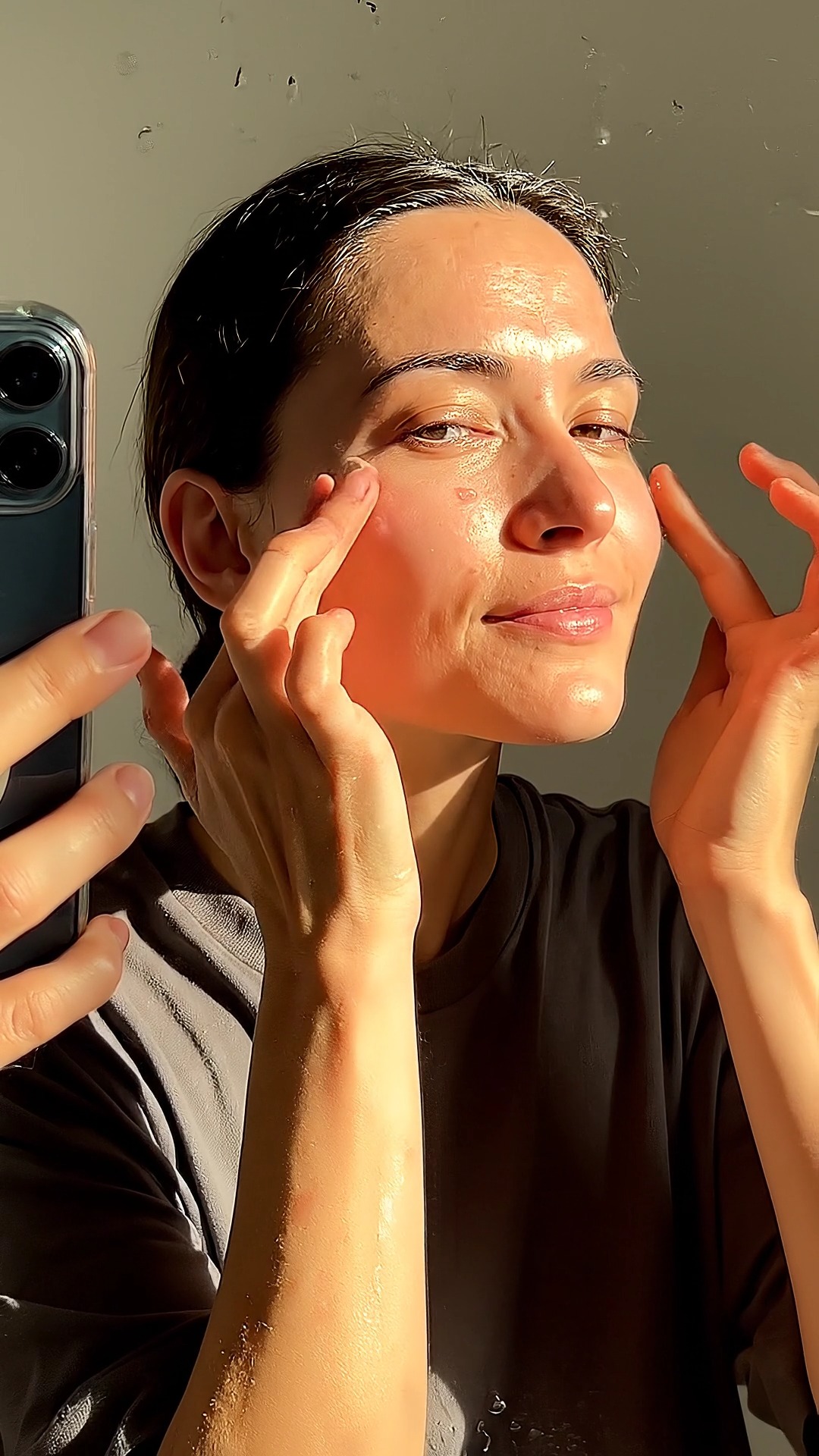
The pipette is close to the face and relatively horizontal in the sampled views. Around 3 seconds, fingers touch the initially treated cheek; by the next sample, the application appears on the opposite side of the face. The side change conflicts with the instruction to preserve the same treated cheek across the cut.
Seed 123 · 3s
Seed 123 · 3.5s
Seed 123: compare the application position at 3s and 3.5s. Actual generated frames, sampled at the indicated times. Click to inspect at full resolution.V2 · Seed 123 · original output, without external editing. View all 12 half-second samples.
This is a screen-visible continuity observation, not a complete analysis of mirror geometry. We have not independently validated every reflected left/right relationship. The useful acceptance question is whether the visible treated region remains consistent, rather than whether the overall bathroom scene looks plausible.
Seed 2026: check the phone and both cheeks together
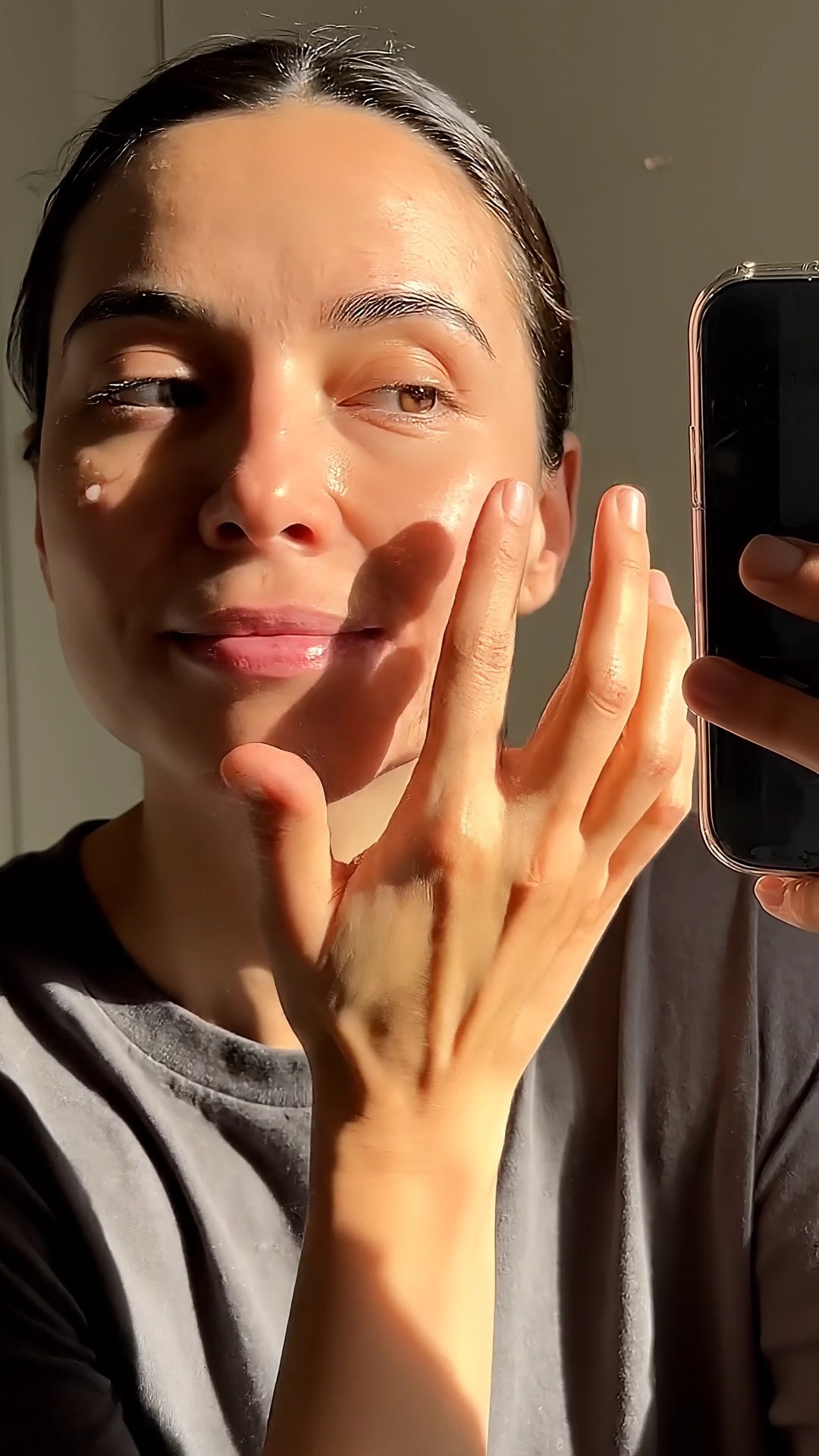
Near the ending, the phone remains held at the edge of the scene while separate hands appear at both cheeks. The 5–5.5-second samples make the extra-hand problem visible in one composition. Looking only at a face crop would miss the phone-holding hand and could understate the error.
Seed 2026 · 5s
Seed 2026 · 5.5s
Seed 2026: the phone-holding hand remains visible while hands appear at both cheeks. Actual generated frames, sampled at the indicated times. Click to inspect at full resolution.V2 · Seed 2026 · original output, without external editing. View all 12 half-second samples.
Which settings produced these three outputs?
The requests used Veo 3.1 through the Token360 API with six seconds, 1080p, portrait framing, 24 fps and audio enabled. Seeds 42, 123 and 2026 distinguished the three runs. The prompt text matched across the request files; there were no reference images or externally assembled shots.
Seeds: 42, 123, 2026. Tested version: V2. Test date: November 5, 2026. The exported prompt below matches the request text. These are the actual recorded settings, not a claim of compatibility with every video endpoint.
Metadata confirms a 6.00-second video track, 1080 × 1920 dimensions and 144 video samples at an average 24 fps in each output. All files contain audio tracks of approximately 6.05 seconds. A media player may reflect the longer audio/container timing; this does not change the six-second video-track measurement.
This edition independently checked samples at 0.5-second intervals from 0.0 through 5.5 seconds: 36 images total. The original review also records a closer 0.125-second sampling pass over Seed 42’s drop phase. Neither procedure is an exhaustive continuous-frame review. Mirror geometry, audio quality and synchronization have not been verified.
Before a new request, check Token360’s model capability and schema guidance. A parameter being recorded does not establish that the output obeyed every instruction. A seed is a sample identifier here, not a quality score or a guarantee of exact reproduction.
What is the exact tested V2 prompt?
The following English text is the version used for all three outputs. It deliberately asks for two separate drops and moves the tool-to-fingertip change across a cut. Those are instructions, not verified achievements. Copying it reproduces the test input, not a promise of the same video or correct actions.
This is an adaptation of “Bathroom Mirror Skincare Truth” by awesome-ad-video-prompts contributors, released in a repository under CC BY 4.0. Attribution, source links and the change description appear below and should travel with redistributed adaptations.
Create a 6-second vertical 9:16 realistic bathroom-mirror selfie video. A woman in her early thirties wears an oversized grey T-shirt, with bare skin and visible natural texture. Warm morning window light, a lightly steamed mirror with a few water streaks, subtle handheld phone movement. Her expression is relaxed and spontaneous.

Keep the same woman, face, phone, clothes, lighting and treated cheek throughout. She holds the phone steadily in her left hand. Her right hand performs the skincare actions. Keep the phone visible at the edge of the reflection and her right cheek unobstructed. Use a plain unbranded serum bottle on the counter, with no lettering.

SHOT 1, approximately 0.0-0.8 seconds:
Medium-close mirror view. She gives a small smile. The glass pipette is already in her right hand, raised near her right cheek. There is no bottle opening or tool preparation to show.

SHOT 2, approximately 0.8-3.5 seconds:
Clean cut to a tighter mirror view of the SAME right cheek and pipette. Hold this view continuously through both drops. The glass pipette points downward, with its tip about one centimetre above the cheekbone and safely below the eye. The tip stays clear of the skin.
First, ONE small clear serum droplet visibly forms at the tip, separates completely, and lands on the cheekbone. Show a brief empty gap between tip and skin after it falls.
Pause briefly. Then a SECOND separate droplet visibly forms, detaches completely, and lands beside the first on the same cheekbone.
Both drops follow a short downward path. Leave two small wet beads on the skin. Complete exactly these two distinct releases before proceeding. Keep the pipette steady; do not drag it along the skin. The liquid falls as individual drops, without a continuous thread.

SHOT 3, approximately 3.5-5.2 seconds:
Clean cut to the same close view. The pipette has been set down off screen and is absent. Her right index and middle fingertips gently spread the two wet beads over the same cheekbone in one small circular movement. Keep the tool-to-fingertip change entirely across the cut. Preserve her skin texture; only the treated area develops a subtle wet sheen.

SHOT 4, approximately 5.2-6.0 seconds:
She lowers her right hand, turns her face slightly toward the window and gives a small satisfied smile. Keep her face and skin appearance consistent. Finish naturally without an exaggerated reaction.

Prioritize the TWO visibly separate drops and believable skin contact over extra camera movement or gestures. Use simple framing, normal-speed human movement and direct cuts. No zoom during the two-drop action. No extra drops, liquid streams, pipette contact with skin, disappearing fingers, facial reshaping, smoothing transformation, captions, phone-screen borders or generated labels.

Audio: quiet bathroom room tone and faint running water. No spoken dialogue or music.
Check the setting, liquid motion, tool transition, treated region and number of hands separately. An attractive expression cannot compensate for an extra hand, and two final beads cannot establish two releases. The supplied clips are evidence for this exact version; a modified prompt needs its own review.
Record the input. Set duration and aspect ratio in the request, not only in the prose. Save the prompt version and seed so observations remain tied to a specific run.
Inspect the drop sequence. Around the requested drop phase, look for separation from the pipette and a visible travel path. Do not infer a release solely from a bead appearing on the skin.
Follow the treated region across the cut. Check that the fingers arrive at the same place and that the pipette-to-finger change is coherent. The intended cut does not excuse a change of cheek.
Count all hands in the full image. Include the phone-holding hand. A face-only crop can conceal a continuity problem elsewhere in the composition.
Review the ending and sound separately. Check whether the hand lowers and the scene finishes as requested. Listen for the specified room tone and water; this article has not marked those audio elements as passed.
The steps above are acceptance checks, not a proven repair. If a new output looks better, record which criterion improved rather than declaring the whole prompt solved. None of these clips establishes skincare efficacy, a real customer experience or accurate reproduction of an actual brand’s product.
The mirror setting also adds a separate spatial question. the AI video reflections guide discusses that topic; this three-output review does not certify reflected geometry. For repeated inputs, the seed reproducibility guide addresses the distinction between recording a seed and validating repeatability.
What changed in V2, and what remains unproven?
V2 narrows the task toward liquid release and application: a shorter setup, explicit first and second drops, and a cut before fingertip use. The selected result shows distinct beads, but the other outputs still change sides or add a hand. The revision is therefore a tested experiment, not a stable fix.
The adaptation removes the original dialogue and brand emphasis, adds explicit timing and continuity constraints, and requests a local wet sheen while preserving skin texture. It also keeps the preparation offscreen. These changes explain what the new input attempted; they do not prove that a particular sentence caused a particular visual improvement.
A different pipette orientation, fewer actions or a separate shot for the ending could be tested next. They have not been established as effective remedies in this three-output set. No controlled before-and-after comparison is presented here, and no general success rate or generation-cost estimate is inferred.
Changing to a real product introduces another untested requirement. This prompt calls for an unbranded bottle, and no product reference image was provided. The footage cannot validate packaging, labels, bottle geometry or brand fidelity for a future campaign.
Frequently asked questions
Does this prompt reliably generate exactly two falling drops?
No such reliability has been established. Seed 42 shows two beads on the cheek, but that is different from clearly observing two independent releases from the pipette. The other samples add continuity problems.
Why is Seed 42 shown first?
It was selected from the three outputs because the intended sequence is easiest to recognize. Seeds 123 and 2026 remain visible so the chosen clip is not mistaken for an unscreened or repeatable result.
Can I replace the bottle with my own brand?
You can test a revised input, but these outputs do not validate it. The tested setup was text-only and unbranded; product fidelity would require separate evidence.
Is the audio verified?
Only the existence of an audio track was checked. The requested room tone, faint water sound and absence of dialogue or music were not audited for compliance.
Where does the prompt come from?
It adapts a credited community prompt, with rewritten timing and action constraints. The full source, license and changes are listed below. The adapted version is not presented as wholly original Token360 material.
This adaptation rewrites the shot timing, separates the two requested drops, moves fingertip application across a cut, removes dialogue and brand text, and adds hand, treated-area and skin-texture constraints. Source contributors do not endorse these tests. Models named in the source collection are not evidence that this adapted prompt has been tested on them; this article covers only the three Veo 3.1 V2 outputs.
Playback files are H.264/AAC web encodes of the supplied originals, with no editorial cuts. The reported hashes, frame samples and source-track measurements refer to the original files retained in the editorial archive. Compression can alter fine image and audio details; the original files were not replaced.
Veo
AI Video
Case Study
Build faster with one AI API.
Use Token360 to call video, image, audio, and text models with one key and one bill.


 Prompt Library
 Insights
 Insights