An 8-Second Coffee UGC Prompt: What the Outputs Missed
Five coffee-ad outputs revealed missed actions and changing product details. Review the brief, real frames and limits of this small prompt test.
MODEL TESTS · FAILURE CASE STUDY
By Token360 · Evidence reviewed November 5, 2026
First-party test account, supplied generation files and sampled-frame review. This is an editorial case study, not an independent model benchmark.
The generated outputs showed convincing kitchen lighting and attractive coffee-machine footage, but the five outputs we examined did not establish a usable, complete eight-second UGC ad. Product parts changed, milk steaming used the wrong outlet, and the final seven-shot version mixed incompatible brewing actions while omitting its ending.
The most useful finding was an evaluation mistake: we initially treated the appearance of all three requested stages as an improvement. A clip can contain peeling, extraction and drinking without connecting those actions credibly. The tester rejected that version. Coverage of a storyboard is not evidence that its actions work.
This review concerns one demanding brief through Token360: generate the entire ad, including its cuts, in a single model output. It does not establish whether other prompts or workflows can produce usable UGC ads. Five files, including two highly similar results, are not a basis for a general success rate.
The failures were concentrated in product continuity, physical interactions and completion of the brief. Visual styling was more convincing than the operation of the machine. Across the three iterations, neither simplifying the sequence nor restoring a detailed seven-shot script produced an accepted final ad for this test.
Iteration
Requested sequence
Evidence and outcome
1 · Playground · three files
Peel → extract → steam milk → sip
Product geometry changed; milk steaming was omitted or misplaced. Ad2 and Ad3 looked highly similar in the sampled frames.
2 · API · one file
Peel → extract → sip
Three stages appeared, but action flow and timing were rejected. No additional seed results were generated for this version.
3 · API · one file
Seven-shot unboxing-to-product-finish brief
Unconvincing film removal, simultaneous preparation and extraction, misplaced pitcher, and an unfinished ending.
Scope: this article reviews a specific prompt and the supplied outputs, not a model ranking or capability verdict. The model identity is omitted from this editorial version; the original identifier and full requests remain in local test records. Published settings are therefore a partial record, not a complete reproduction recipe.
What did we test, and how did we review it?
The test asked a video-generation model to create one complete eight-second advertisement with model-generated cuts. We checked five supplied MP4 files, their media metadata and samples taken every half second. The review combines those visual records with the tester’s observations; it is not an exhaustive frame-by-frame or auditory assessment.
The intended scene was a young Asian man at home, unboxing an espresso machine, operating it and tasting the result. The desired look was an informal phone recording with natural movements, ASMR and a consistent product. There was no external edit joining separate generated shots. The API versions were text-only, without a product reference image.
The starting point was a seven-shot English prompt shared by an X user. The original post link and permission were not recorded. We therefore summarize the intended actions rather than republishing that prompt or claiming it as Token360’s original script.
Verified file property
Playground files
API files
Video-track duration
8.00 seconds each
8.00 seconds each
Dimensions
1920 × 1080
1080 × 1920
Video samples / average frame rate
192 / 24 fps
192 / 24 fps
Audio track present
Yes
Yes
Sixteen images per video were sampled at 0.0, 0.5, 1.0 and subsequent half-second targets through 7.5 seconds: 80 samples in total. These snapshots help locate visible errors but can miss brief actions between samples. Audio tracks exist, with approximately 8.03 seconds of track duration; that does not verify ASMR quality, dialogue, lip synchronization or sound-event timing.
What went wrong in the four-stage Playground version?
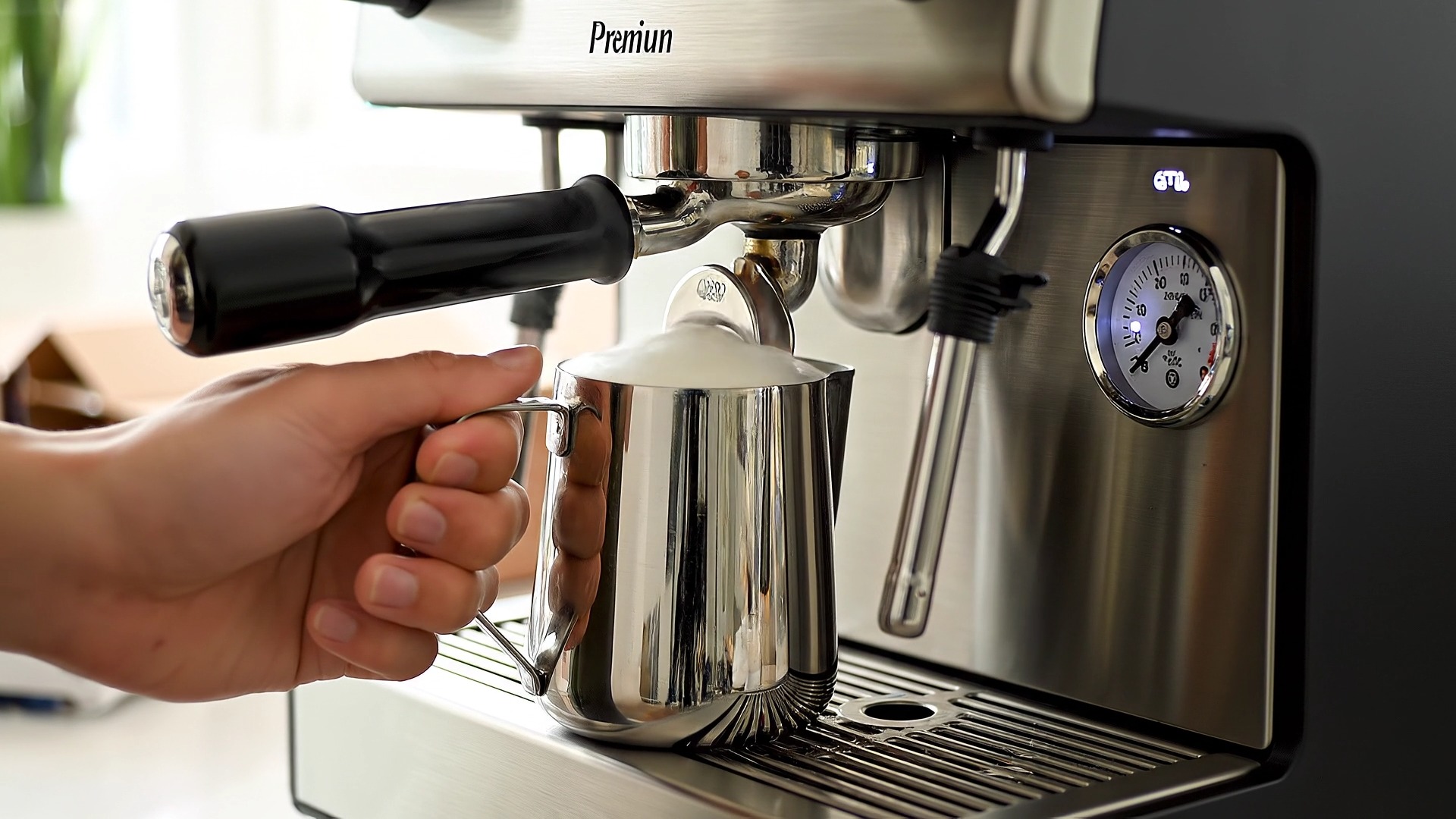
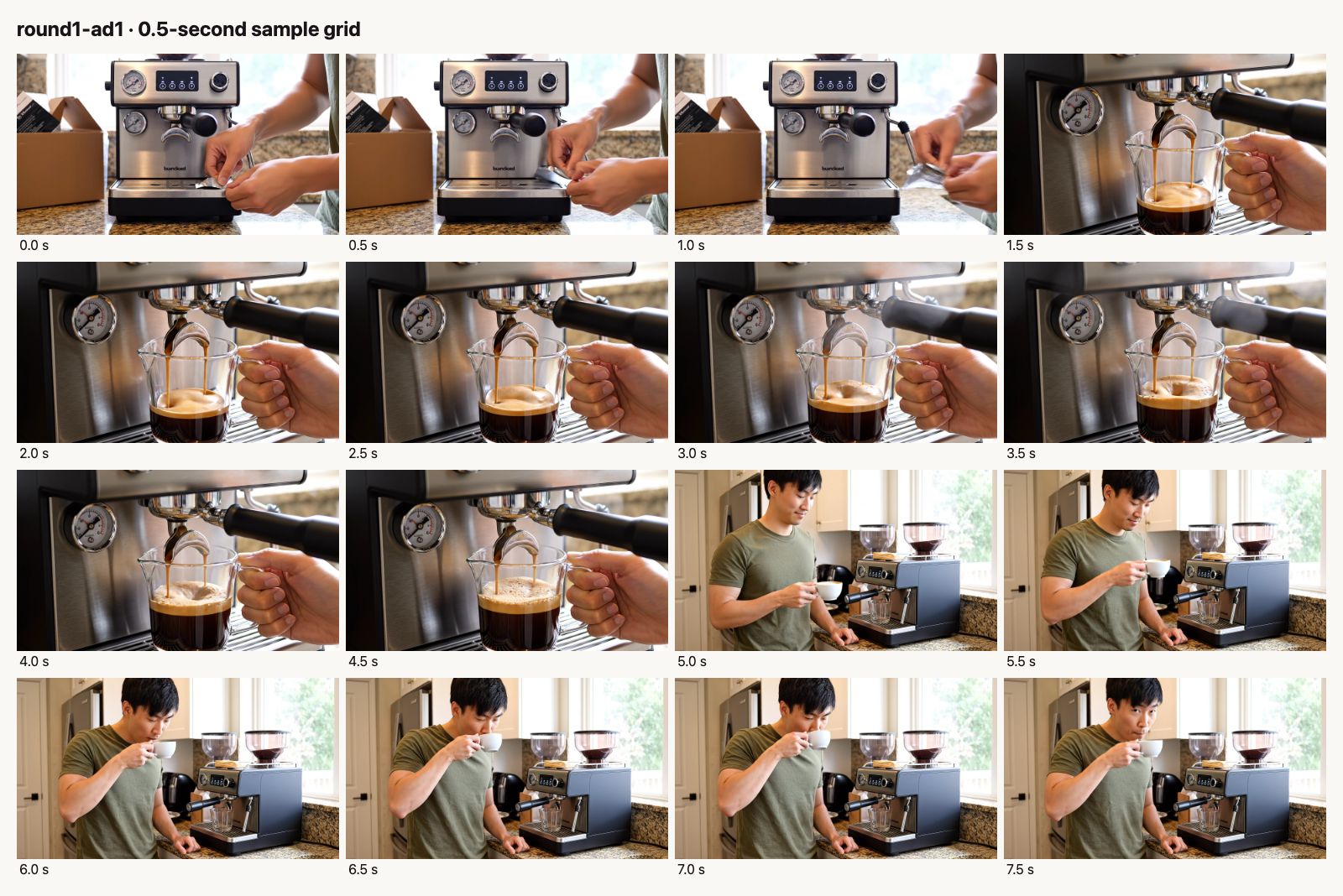
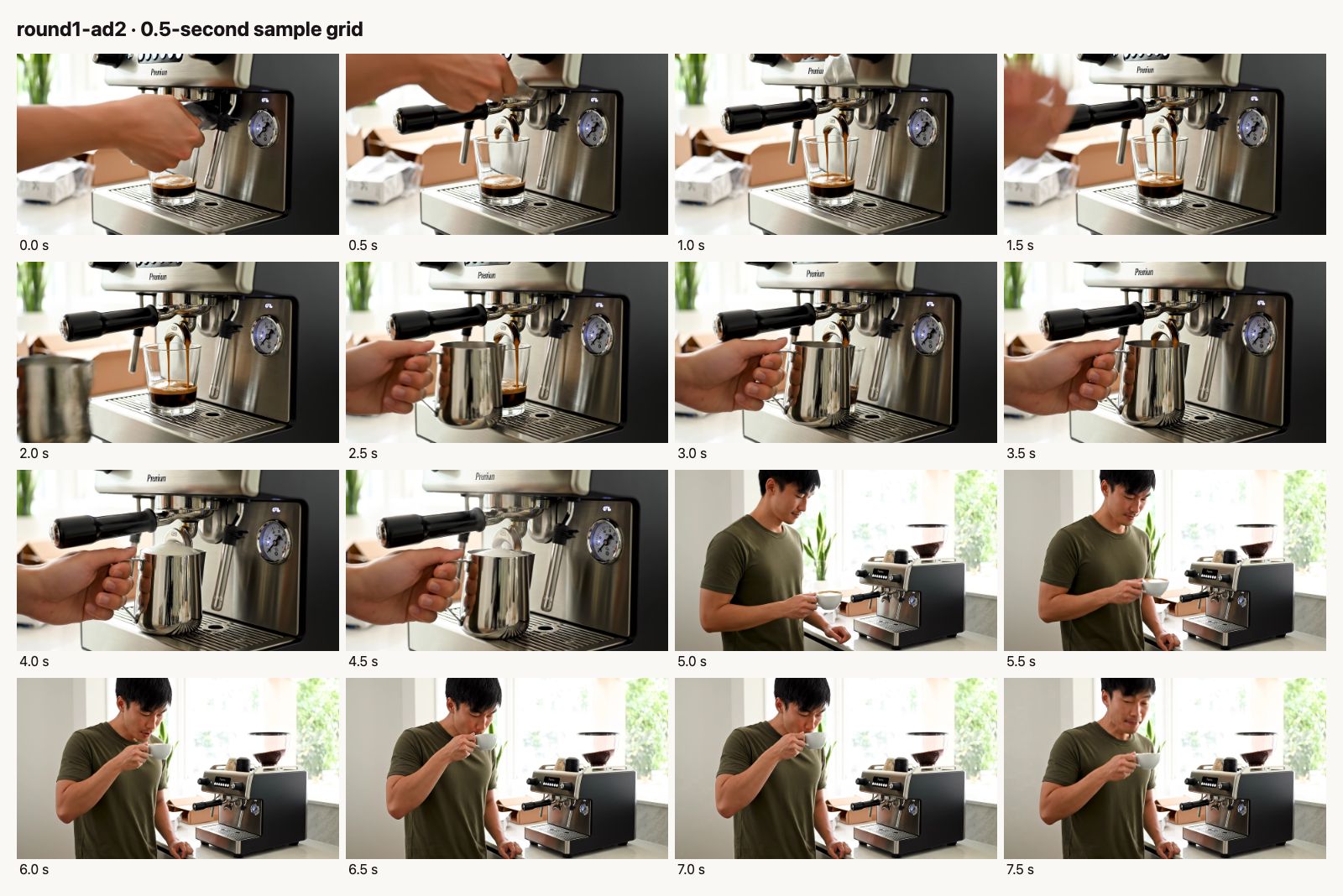
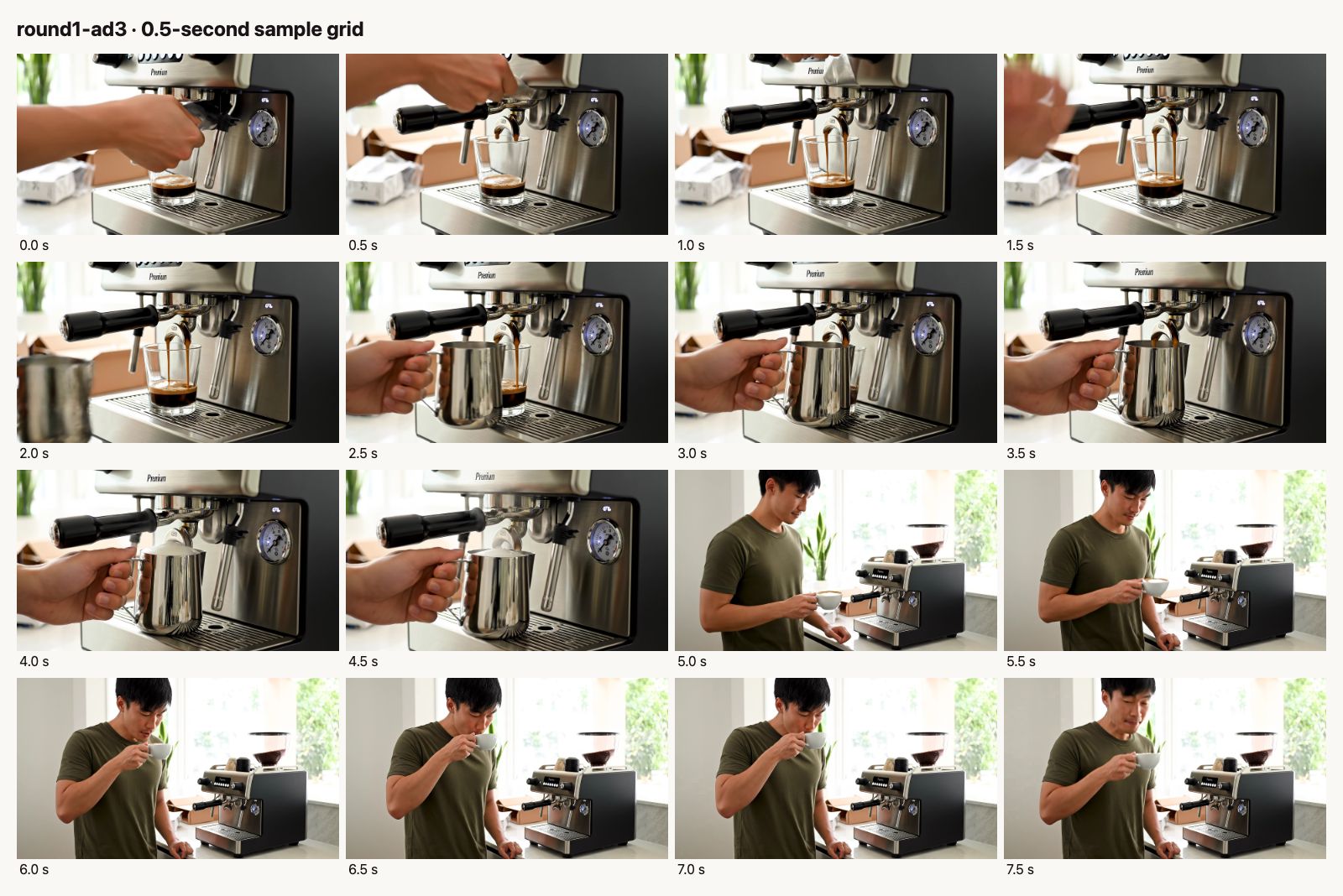
The first iteration captured an appealing kitchen atmosphere but did not reliably depict the requested coffee-making sequence. Ad1 omitted milk steaming and changed the machine’s visible design. Ad2 and Ad3 placed the milk pitcher under the coffee outlet instead of showing the intended use of the steam wand.
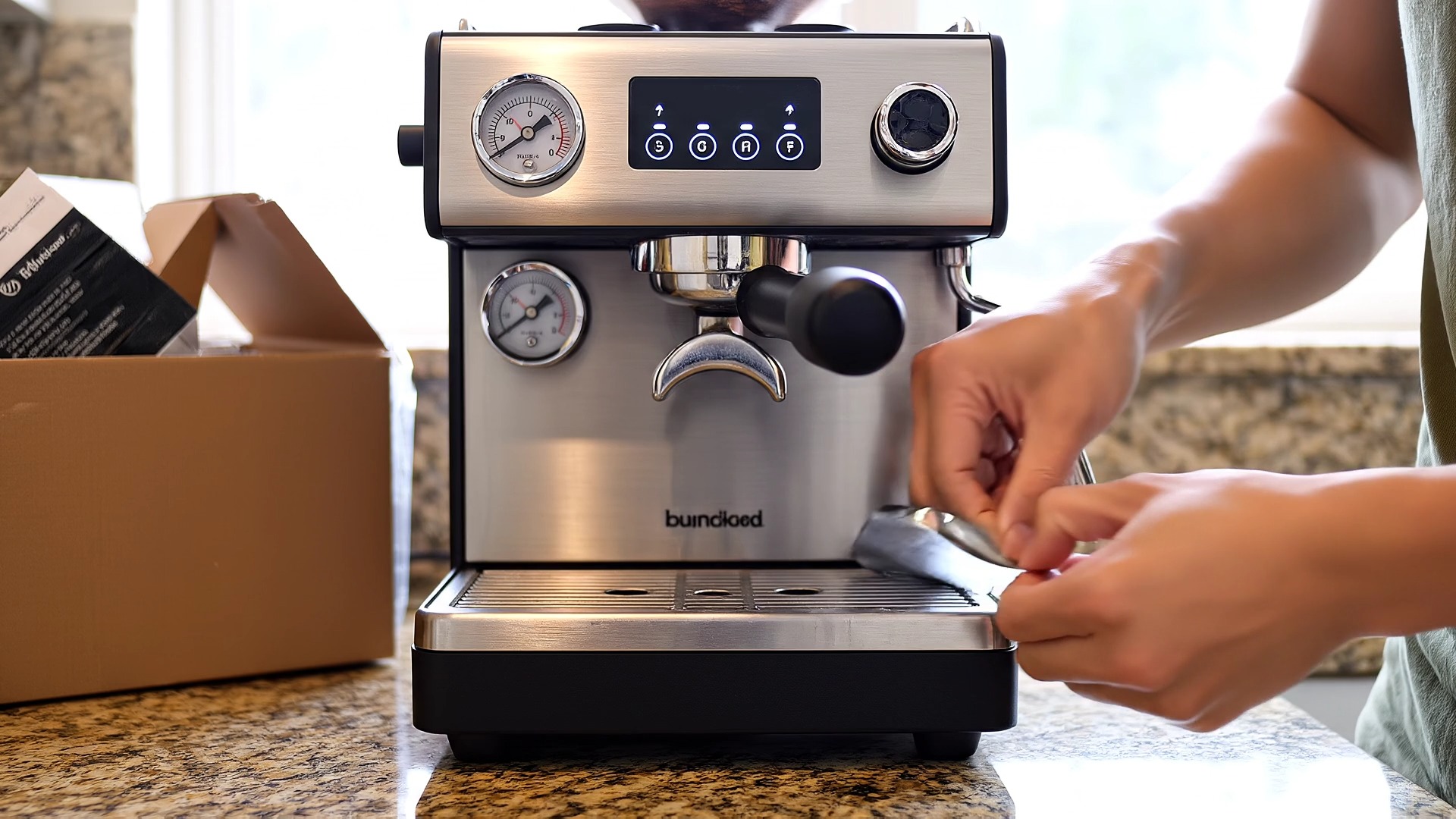
In Ad1, the early machine view and the later drinking shot do not preserve the same gauge and top configuration. That matters in a product ad: viewers should see one identifiable machine throughout the demonstration. Consistent lighting or a recognizable presenter does not compensate for changing hardware.
0.5s
5s
Ad1: compare the machine’s gauges and upper structure in the early and later views. Frames sampled from the original output; timestamps are sampling targets.
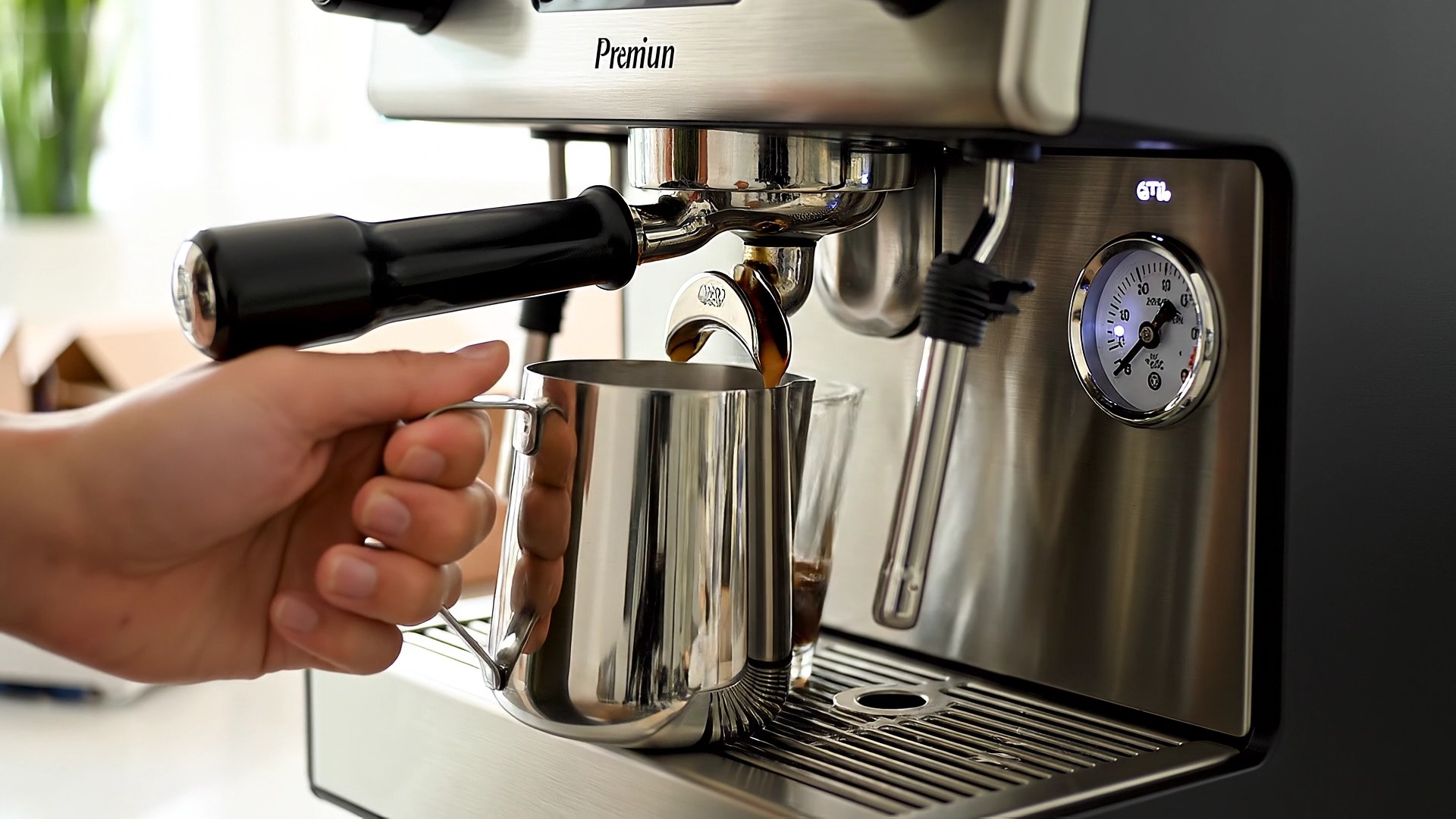
The pitcher shots in Ad2 and Ad3 contain the right broad objects—a machine, milk pitcher and apparent steam—but arrange them into the wrong operation. This is a stronger failure than a missing prop: the images suggest a demonstration that does not match the required use of the machine. The tester also reported unrequested brand text in this round.
3s
4s
Ad2: the milk pitcher sits under the coffee outlets during the intended steaming stage. Frames sampled from the original output; timestamps are sampling targets.
Ad2 and Ad3 are separate files, but their sampled compositions are highly similar. We do not treat them as two independent confirmations of reliability. Different file hashes alone would not establish independent visual behavior.
There was also an input conflict. The tester’s description of the settings screenshot records Seed 0, 1080p, audio enabled and 16:9, while the prompt requested 9:16. The files confirm landscape output. This conflict prevents a clean framing comparison with the portrait API outputs; it does not by itself explain the incorrect coffee-making actions.
Inspect Round 1 AD1: original video and full sample sheet
Did reducing the ad to three stages solve the problem?
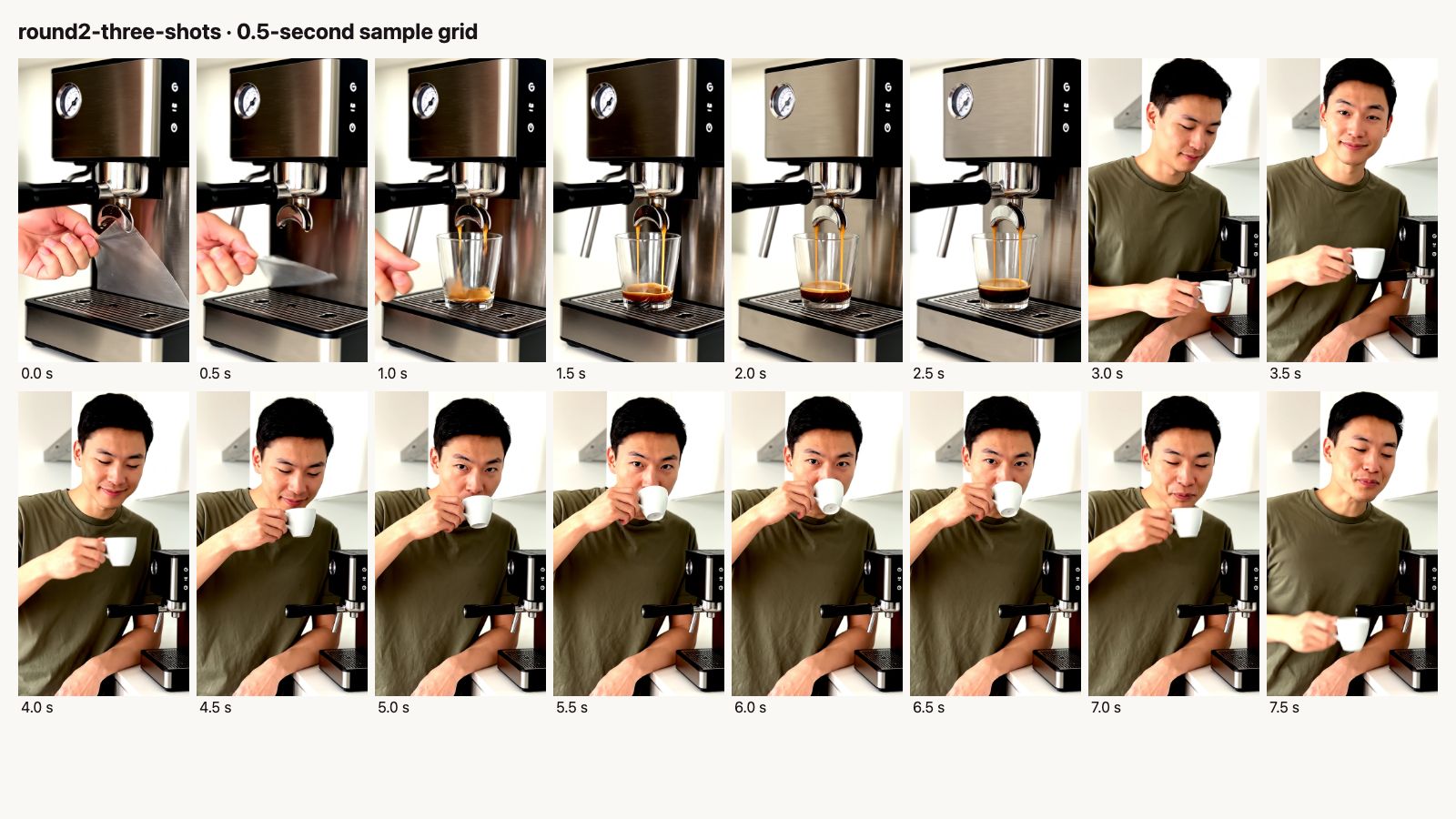
No. The three-stage API version showed peeling, extraction and drinking, but the tester rejected the action flow. Removing milk steaming reduced the requested sequence without demonstrating correct movement, timing or product layout. The initial positive assessment overstated the evidence by counting the presence of stages instead of evaluating their execution.
The tester’s response was explicit: “动作一点都不连贯,一点都不对。” In translation: “The actions are not coherent at all; they are not right.” This is a viewing judgment from the tester, rather than a quantified motion-quality score derived from our sampled images.
0.5s
1s
3s
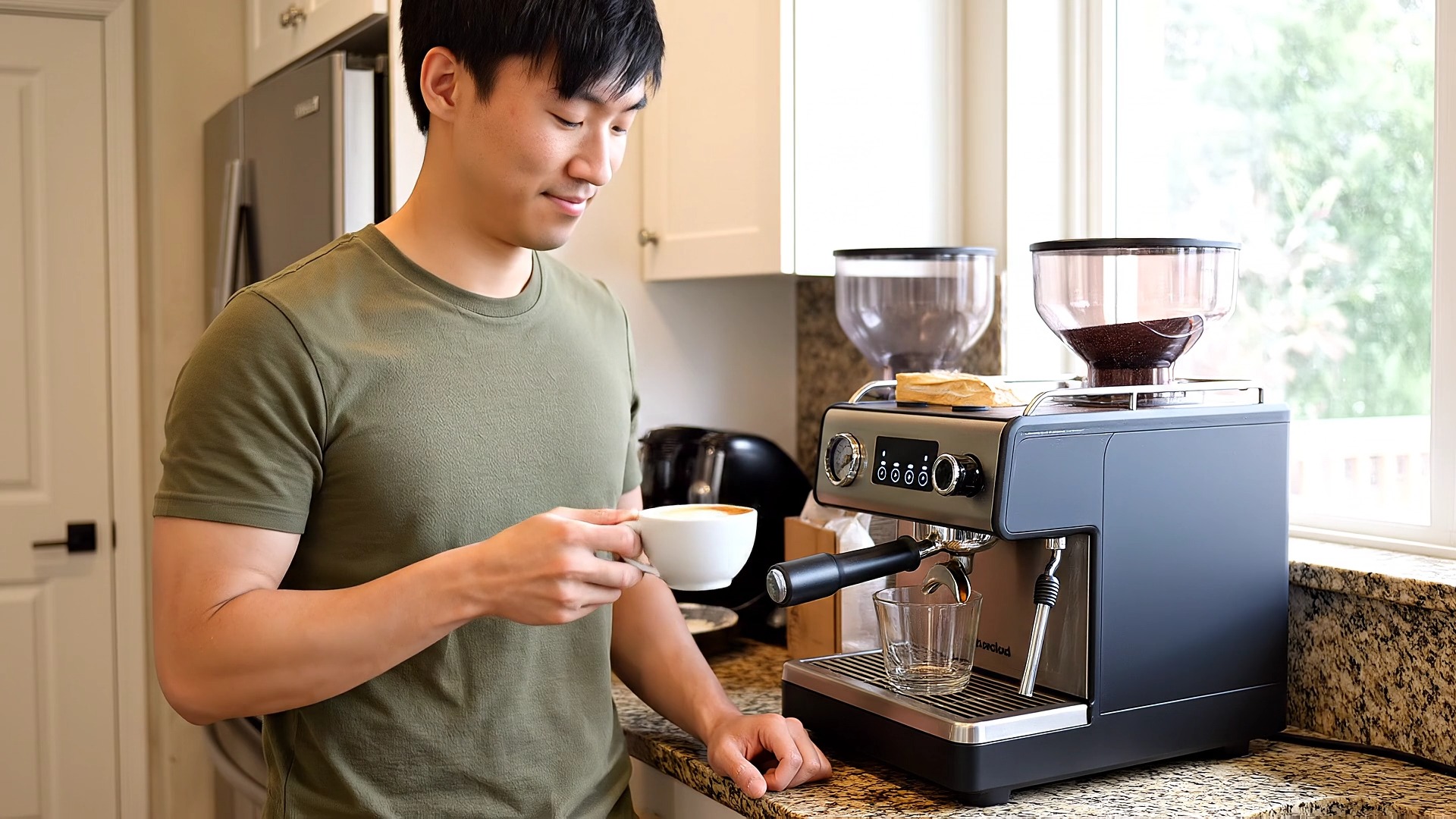
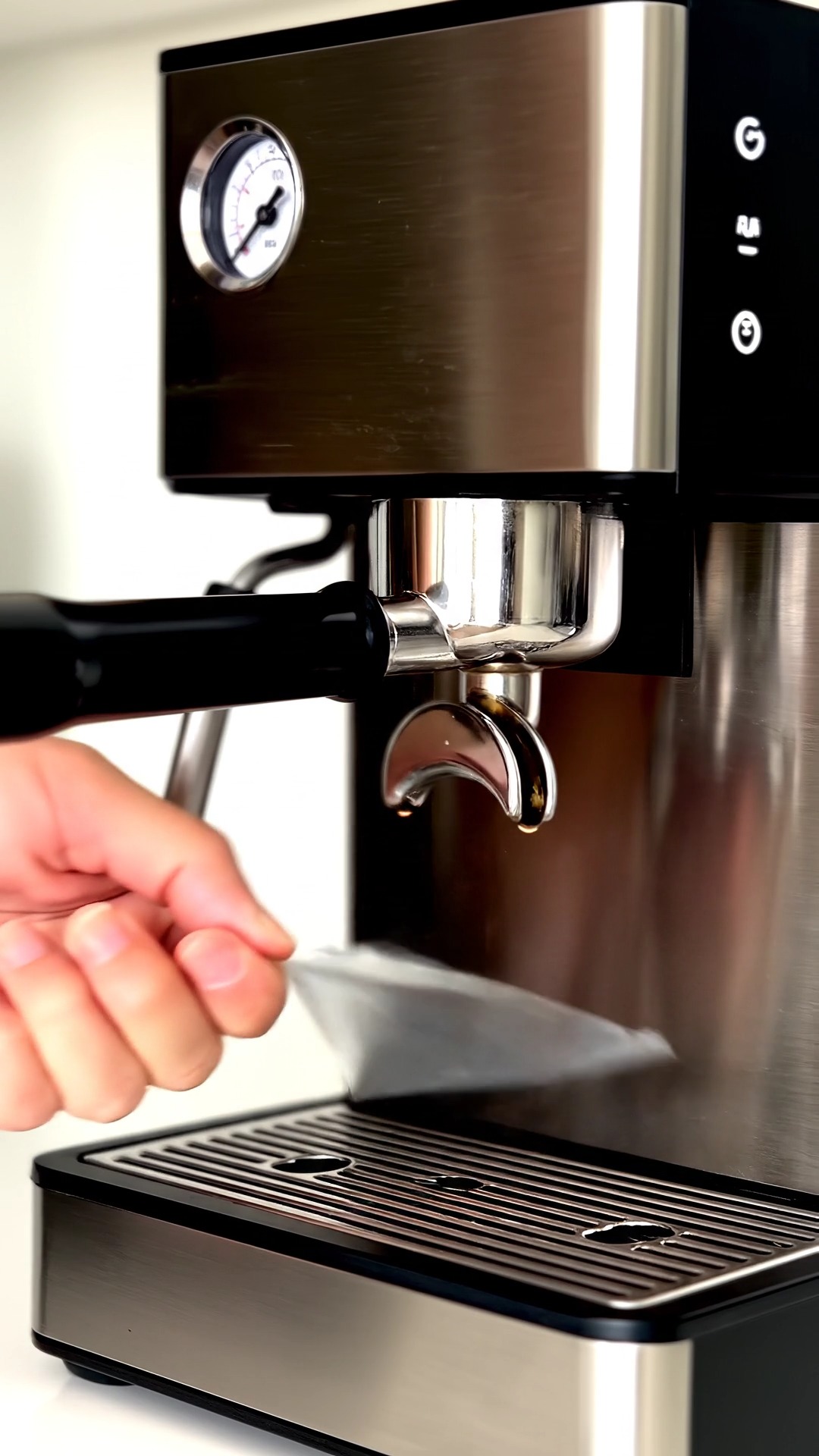
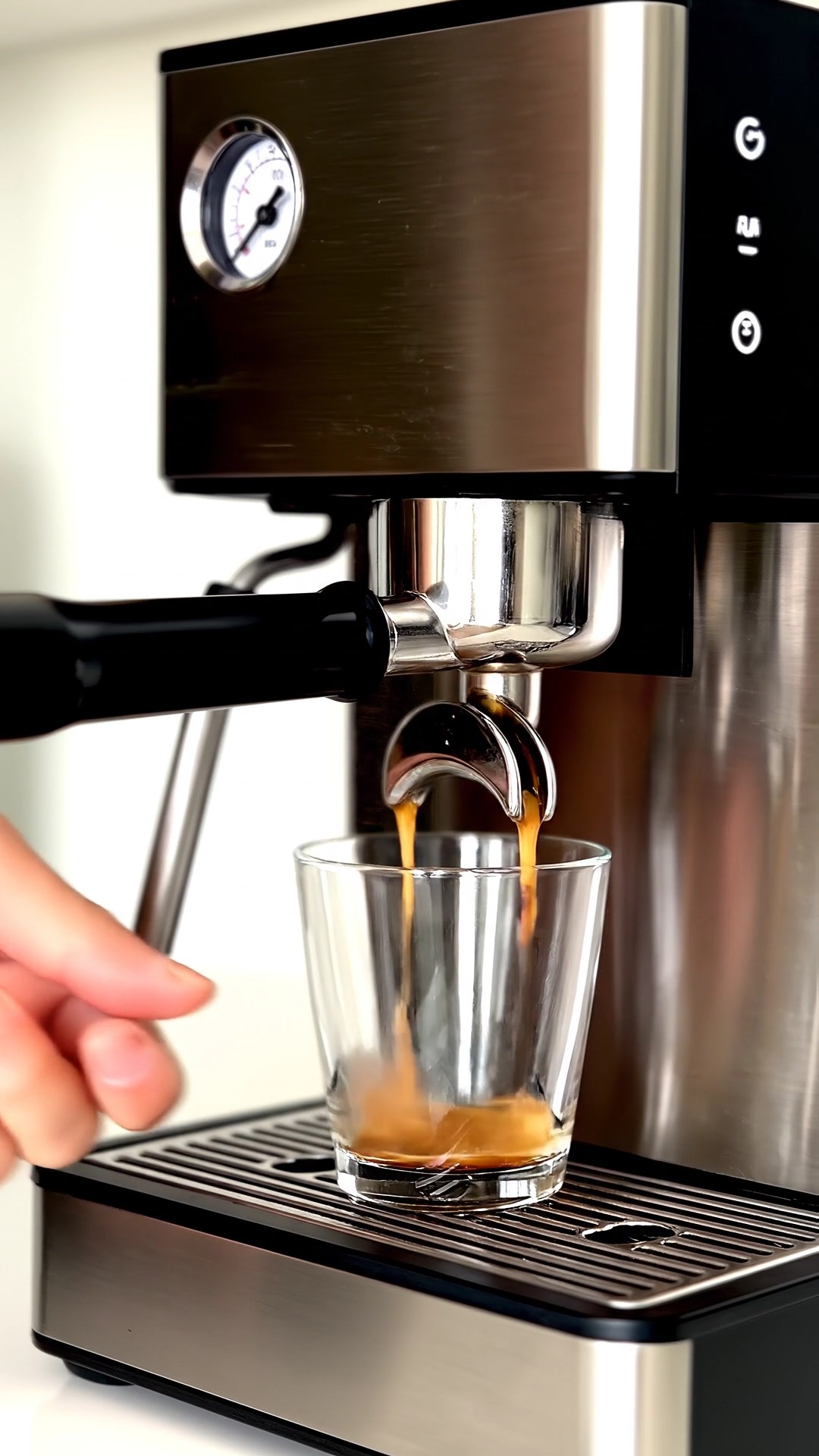
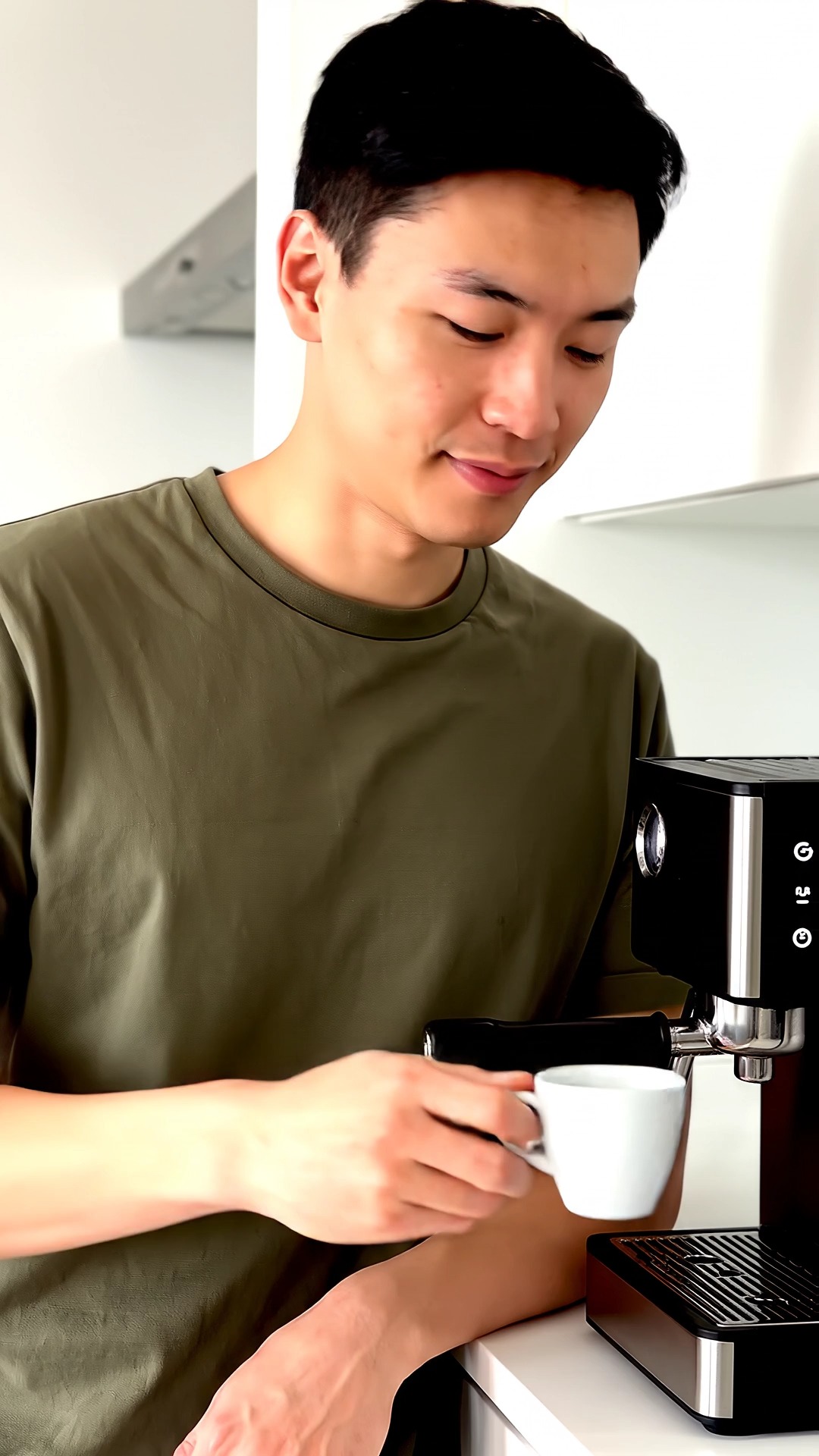
Round 2: peeling, extraction and the presenter with a cup appear, but stage coverage alone does not establish a usable action sequence. Frames sampled from the original output; timestamps are sampling targets.
The samples show the extraction view early and the presenter holding a white cup by approximately three seconds. The requested schedule allocated the final drinking segment from 4.5 seconds. That is a concrete timing deviation, although half-second sampling cannot identify every cut to frame precision.
One detail requires care: the prompt explicitly allowed extraction into a clear glass followed by an offscreen transfer to a ceramic cup. The change of cup is therefore not, on its own, a prompt violation. It introduces a state transition that viewers still need to understand. We should not relabel an instructed transition as an accidental model error.
The version was ultimately marked unacceptable, and no further seed outputs were generated for it. Draft request files for other seeds are not additional experimental results.
Inspect Round 2: original video and full sample sheet
What happened when we restored the seven-shot script?
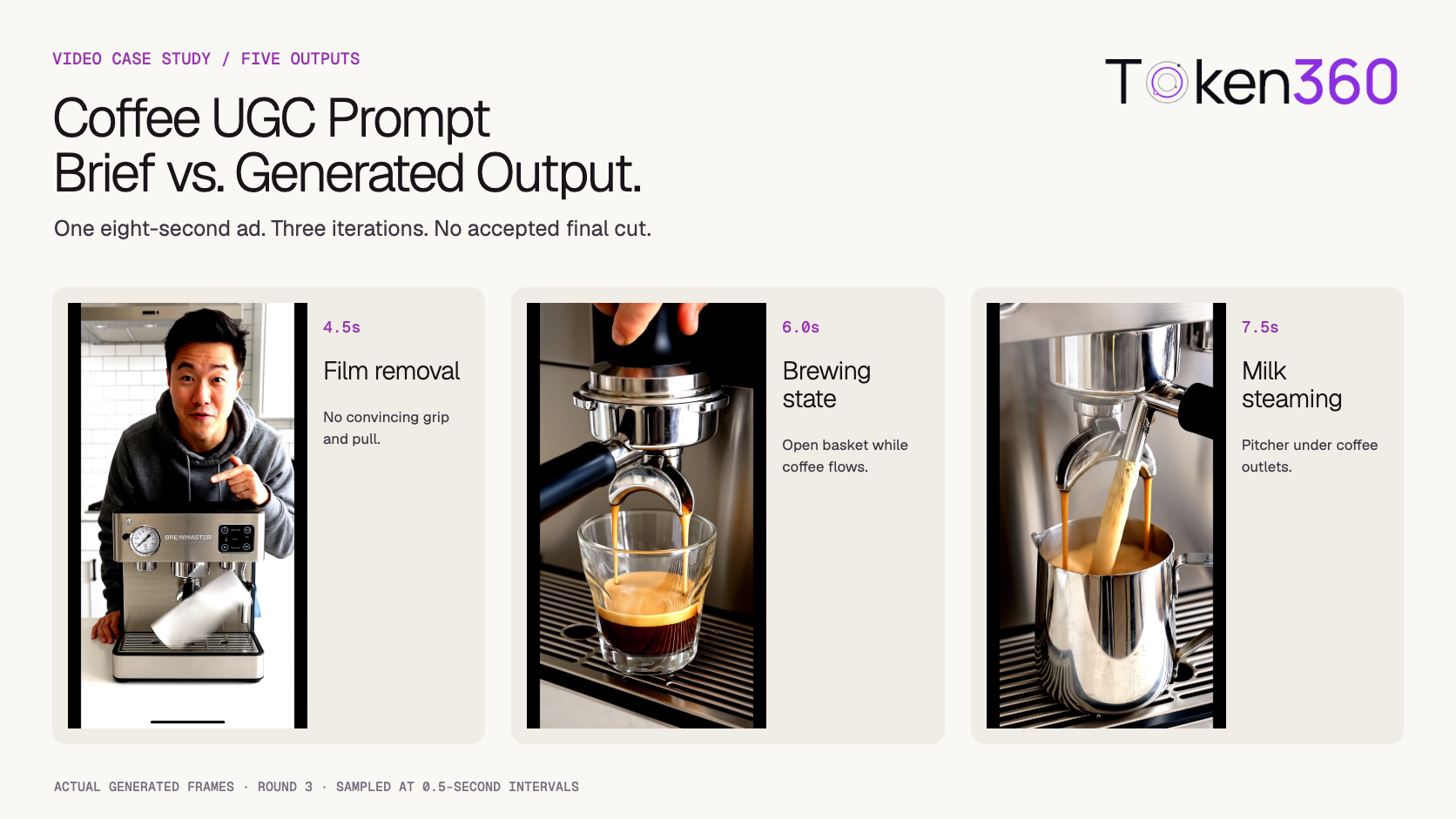
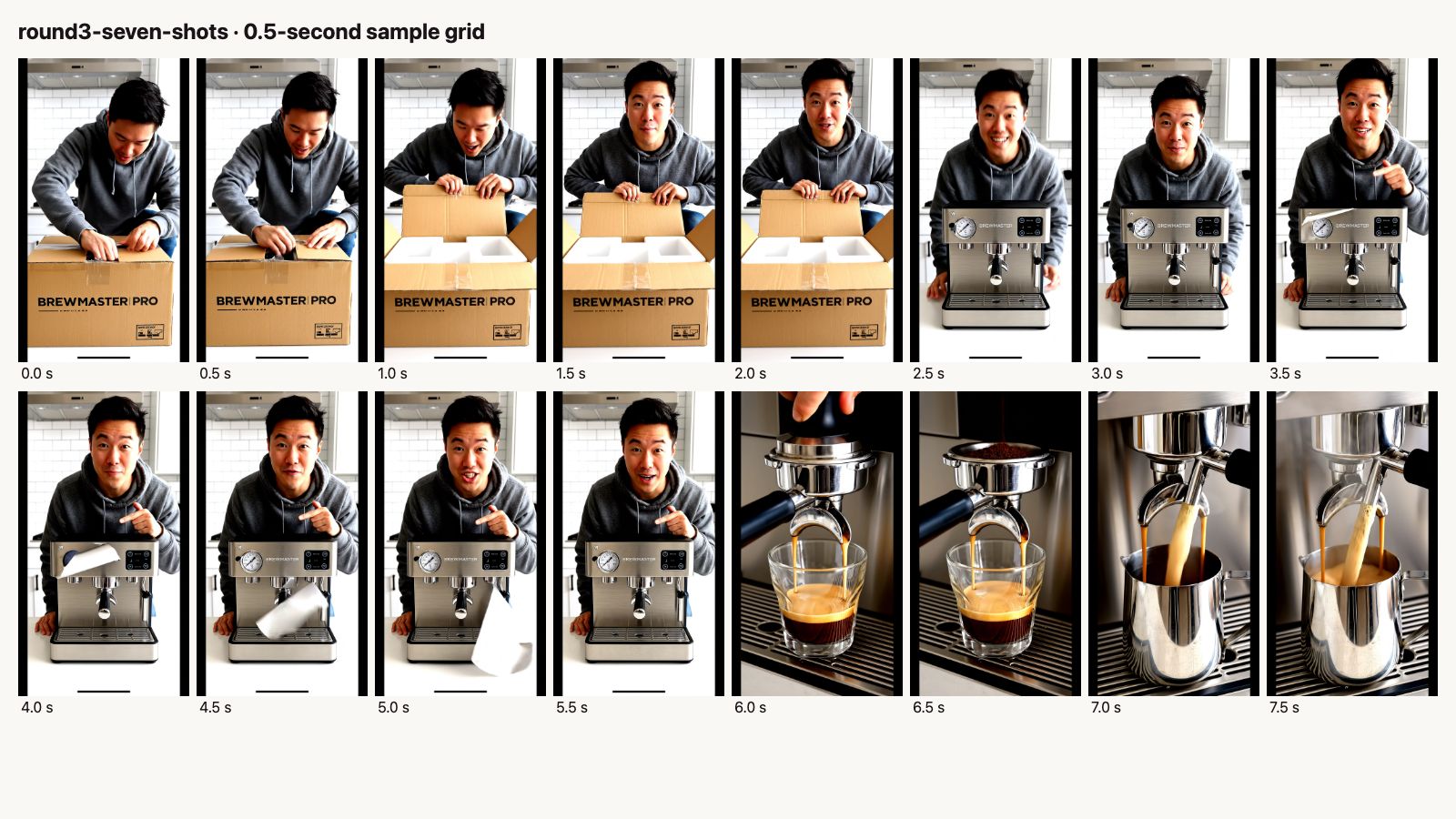
The seven-shot version preserved the presenter, clothing and kitchen more convincingly than the machine’s actions. It spent much of its eight seconds on opening and introduction, then compressed brewing steps into contradictory states. The requested latte art, drinking moment and final product close-up were not completed in the reviewed result.
Approximate time
Observed content
Why it failed the brief
0–2s
Tape and box opening
Foam removal and a clear machine reveal were not established.
2.5–5.5s
Presenter beside the machine; pale film moves away
The film lacks a convincing grasp-and-pull interaction.
6–6.5s
Open basket preparation while coffee flows below
Preparation and extraction appear merged rather than ordered.
7–7.5s
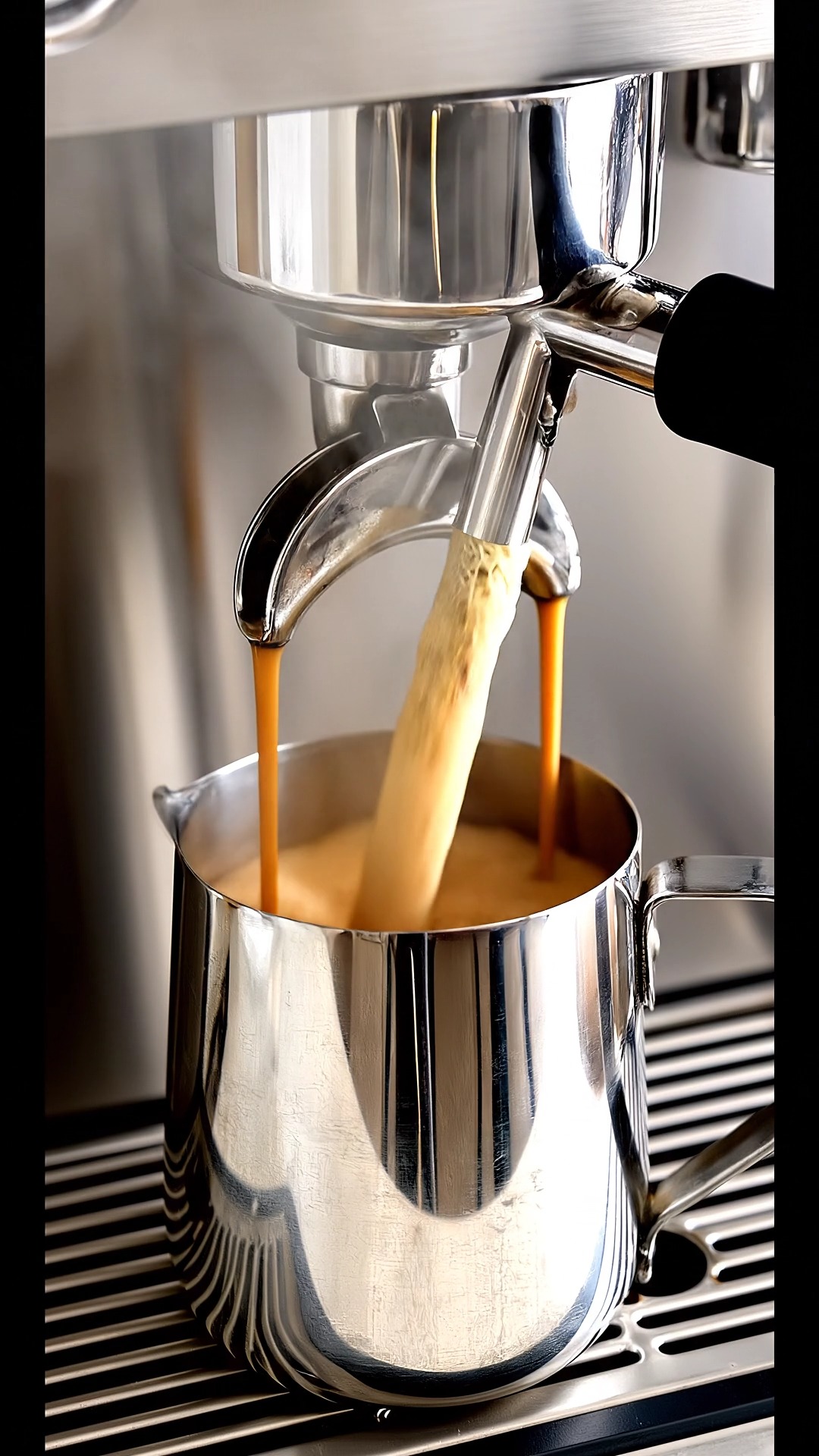
Pitcher beneath coffee outlets, with steam and coffee-like flow
The requested steam-wand operation is not correctly demonstrated.
Ending
The clip finishes during machine operation
No completed latte art, sip or final product shot.
4.5s
6s
7.5s
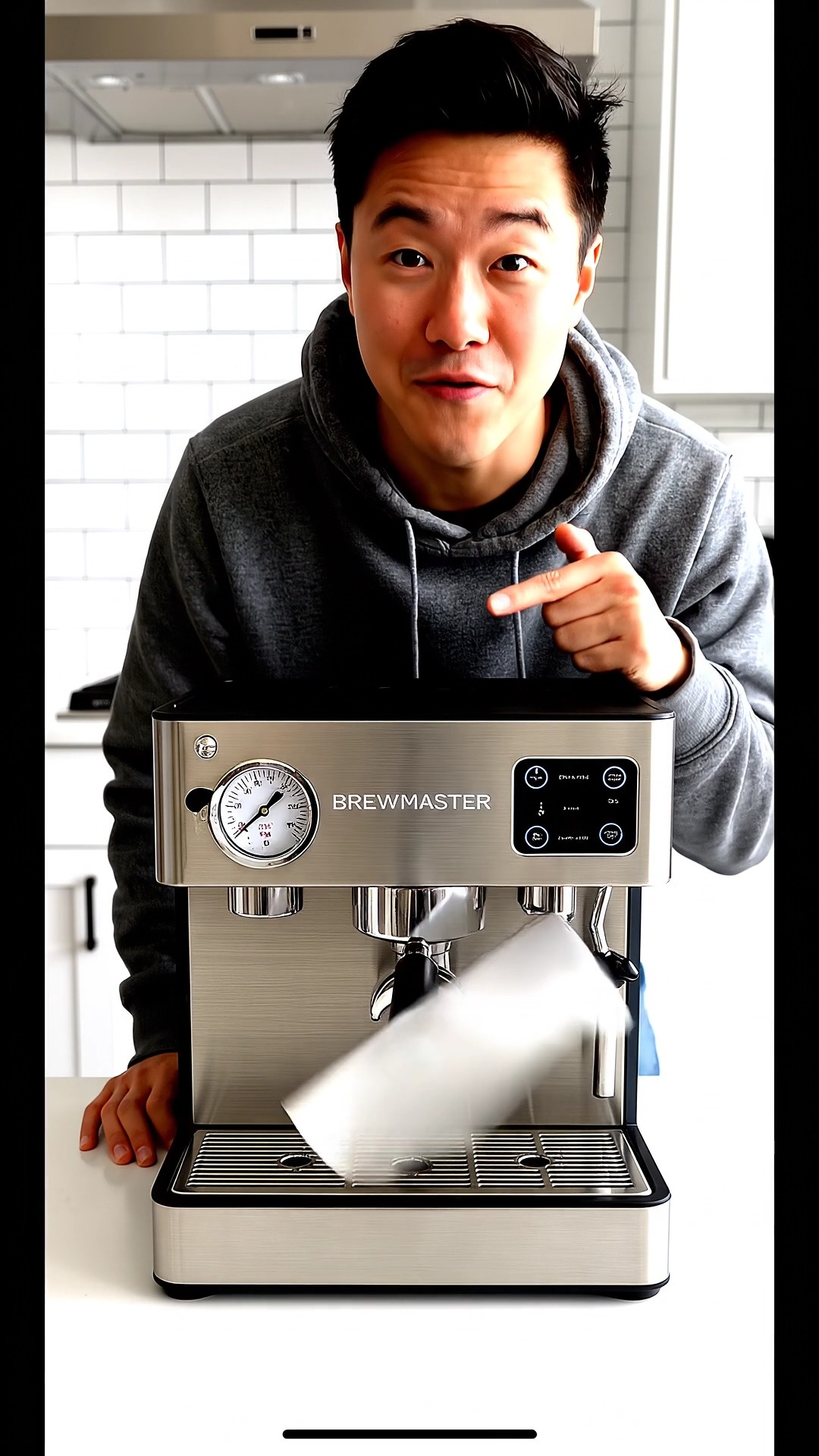
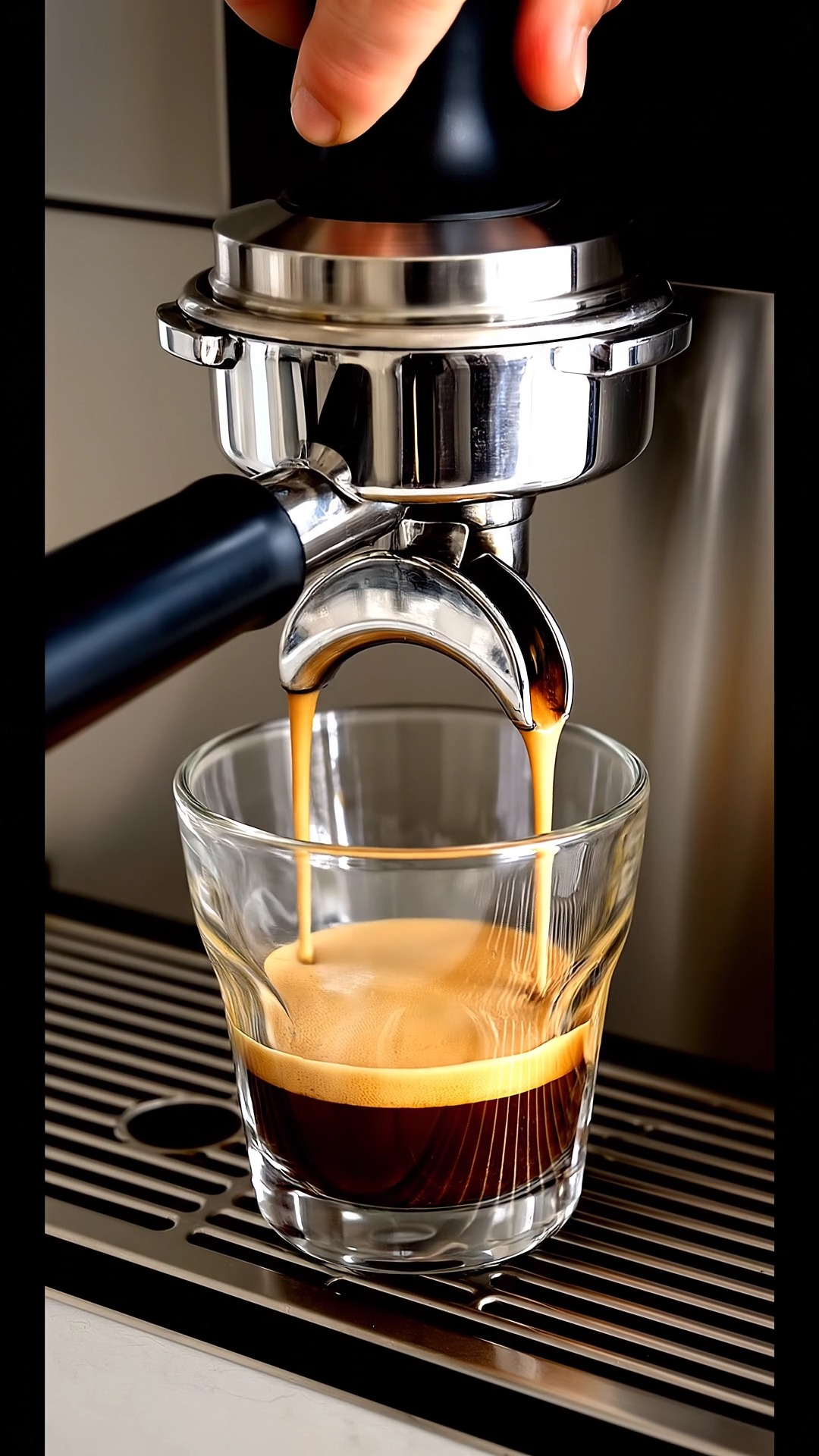
Round 3: pale film at 4.5s; an open basket with flow below at 6s; a pitcher beneath the coffee outlets at 7.5s. Frames sampled from the original output; timestamps are sampling targets.
The open-basket image is especially revealing. The brief called for a transition from preparing the coffee to installed extraction. The output combines visual signs of both. Recognizable objects are present, but their relationships do not establish the requested sequence. This is why judging only whether “coffee extraction appears” would miss the failure.
A black line resembling a phone Home indicator appears near the bottom of multiple source frames. It is visible in the sampled video image, not an overlay added by our review layout. We can identify the unwanted artifact; we cannot determine why the model produced it.
Branding is a different issue in this round. The seven-shot prompt explicitly specified a product name and branded box. It would be inaccurate to classify all visible brand text here as unsolicited. The first-round branding observation should not be carried into a version whose instructions changed.
Inspect Round 3: original video and full sample sheet
What did switching from Playground to the API change?
The API made the intended settings and completed request records easier to inspect. It did not demonstrate better visual quality. Both API outputs used the same recorded model, Seed 42 and portrait settings, but their prompts differed; the Playground comparison also changed framing and other conditions, so it cannot isolate an interface effect.
The recorded non-prompt settings for both API runs were:
These are selected fields from the recorded Token360 requests, not a promise that every provider uses identical parameter names. Consult Token360’s model-capability guidance for the selected model’s schema. Documentation establishes the interface and model context; the supplied files establish this case’s outcomes.
Both saved API status records reported completion. That means the requests produced outputs, not that the advertisements passed editorial or functional review. There is no verified cost comparison in this case, and none is inferred from the presence of a completed job.
What do these failures suggest about multi-shot UGC ads?
The case suggests that visual plausibility and action-state control need separate acceptance checks. Task overload and state confusion are plausible explanations for the missed ending and merged operations, but the test does not isolate either cause. Changing the shot count, prompt detail and framing together prevents a causal conclusion.
“Seven shots” also understates the work requested. A labeled shot can contain preparation followed by extraction; another can require pouring followed by drinking. Those are additional transitions even if they share a shot label. The model must preserve objects, update their state, coordinate hands and fit the actions into an eight-second total.
Detailed steps, timecodes and prohibitions did not guarantee execution in these outputs. Nor did removing one stage automatically repair movement. The evidence supports those narrow statements; it does not prove that detailed prompting is useless or that short scripts always work better.
Acceptance dimension
Question to ask of this ad
Appearance
Do lighting, materials and the kitchen look convincing?
Product identity
Do the gauges, top and outlets remain the same machine?
Interaction
Does a hand actually grip and pull the film?
State and order
Does preparation end before extraction begins?
Coverage
Does the output reach the promised sip and ending?
Audio
Do sounds and speech match visible events? Not assessed here.
These checks complement file-level video output validation: valid duration, dimensions and an audio track cannot establish a credible product demonstration. For broader regeneration decisions, the video continuity review guide addresses a different question from this specific case.
What should the next experiment test?
No successful repair has been verified. A useful next experiment would isolate one source of complexity at a time and define acceptance before generation. A single shot, the same cup throughout and fewer state changes are reasonable hypotheses to test; they are not fixes demonstrated by the five outputs reviewed here.
Start by asking whether one visible interaction works: a hand grips and removes a film while the machine’s geometry remains stable. A second experiment could test extraction alone with the preparation state already complete. A third could test the transition into drinking without introducing a different cup. Each result should be assessed against its own brief rather than accepted because an expected object appears.
Keep aspect ratio, model identifier and other settings recorded, and label any changed prompt or reference input. Test repeated outputs before making reliability claims. Adding a product reference image would be a separate experimental condition, not a retroactive explanation of why text-only generation failed.
If the production goal changes to separately generated shots assembled in an editor, that becomes a different workflow. planning a product-film shot list can support it, but a successful external edit would not prove that this one-generation, eight-second brief had been solved.
Frequently asked questions
Do these results rule out usable AI-generated coffee ads?
This case cannot answer that for the model generally. The reviewed outputs did not establish an accepted complete ad for this brief. Other prompts, inputs or workflows could behave differently; they were not tested here.
Did the API fix the Playground results?
No verified quality improvement can be attributed to the API. It provided explicit, inspectable settings. The API outputs still had action problems, and the comparison changed several variables at once.
Was the audio correct?
Audio tracks were confirmed in all five files. ASMR, speech, lip synchronization and sound timing were not audited, so the presence of audio must not be described as successful native-audio performance.
Why not report a success rate?
The collection is small, iteratively selected and includes two highly similar results. It was not a controlled evaluation with independent repeated trials. A percentage would imply more generality than the evidence supports.
Can I copy the exact original seven-shot prompt?
It is not republished here because the source post and permission were not recorded. The article provides stage summaries and sanitized API settings so readers can understand the test without misattributing another creator’s script.
Read next: evaluating native video audio covers the listening checks missing from this review. That work remains separate from the visual failures documented here.
Playback files are web encodes of the supplied originals, with no editorial cuts. The reported hashes, frame samples and source-track measurements refer to the original files retained in the editorial archive. Compression can alter fine image and audio details; the original files were not replaced.
AI Video
Prompt Review
Case Study
Build faster with one AI API.
Use Token360 to call video, image, audio, and text models with one key and one bill.


 Prompt Library
 Prompt Library
 Insights