Qwen Image Prompt Variants: A Six-Image Case Study
Compare three Qwen Image 2.1 Pro prompt variants across six images. See which details held and why the results cannot establish an optimal prompt length.
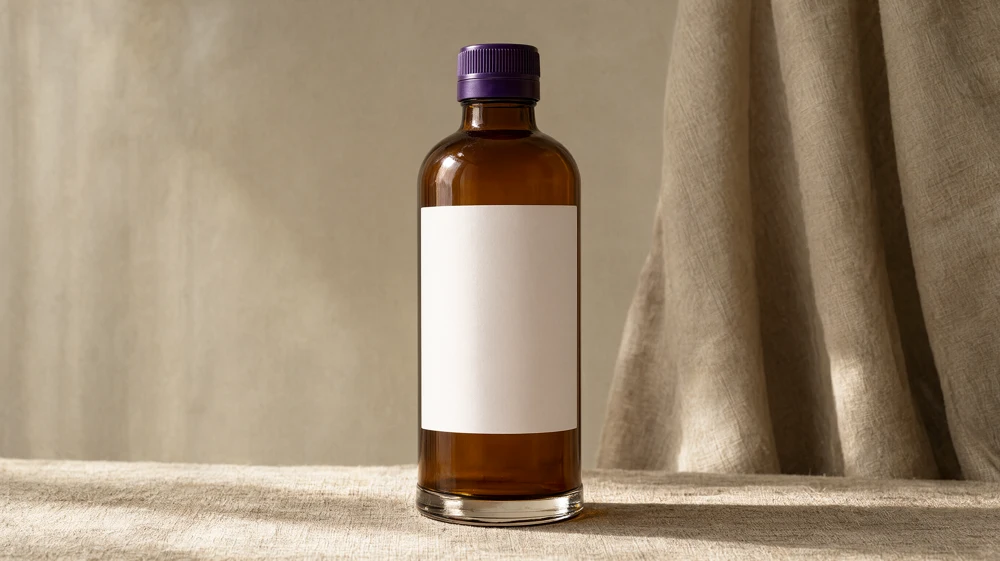
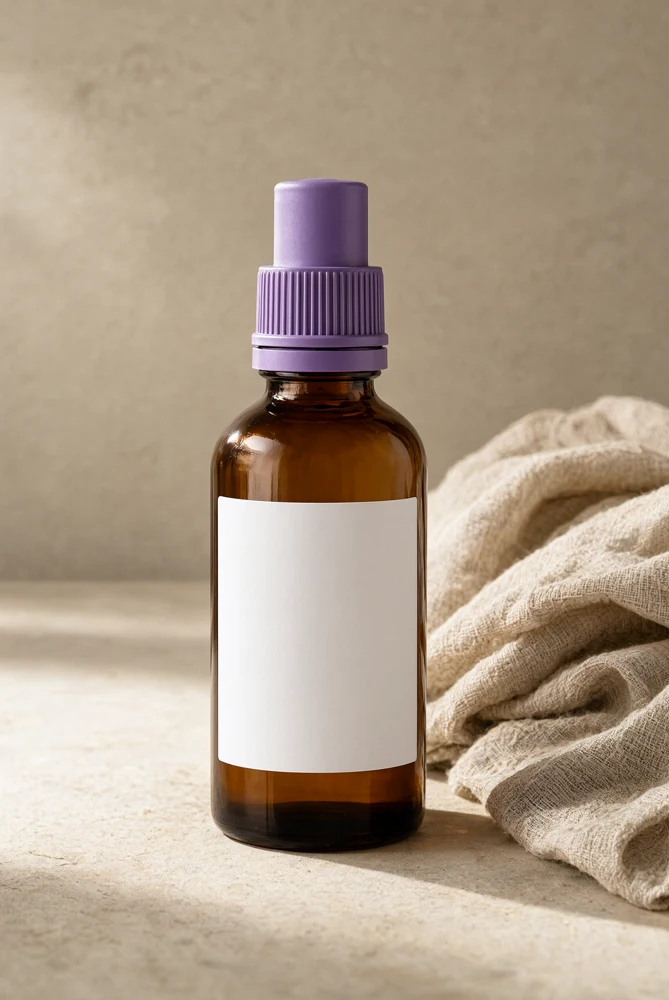
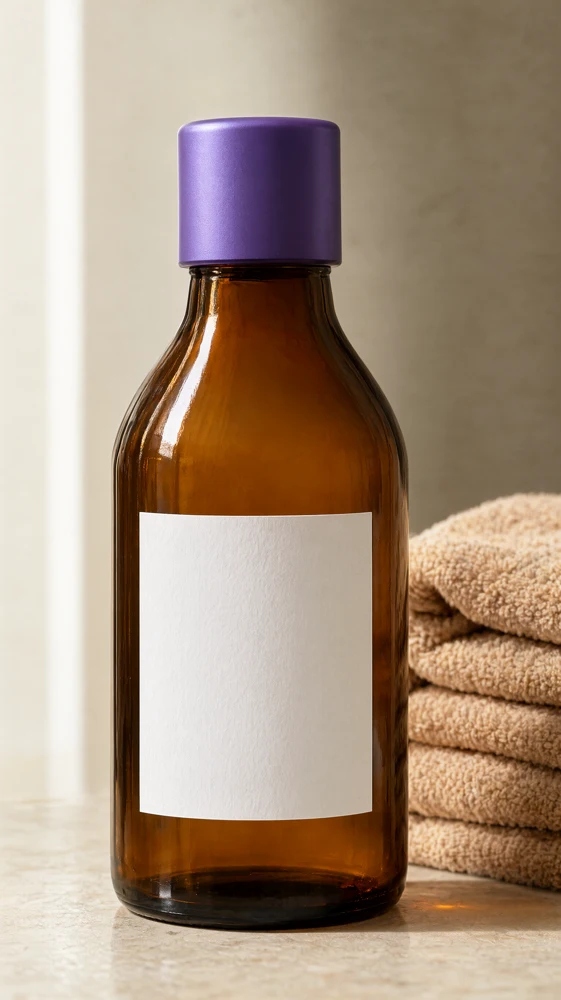
The 15-word prompt was enough for both takes to show the amber bottle, violet cap and centered blank white label. The 32- and 70-word versions also kept those details in both takes. The biggest visible shift was framing: both short takes were landscape and both long takes were portrait. With two images per version and different export shapes, there is no basis for picking an optimal token count.
Three English prompts described one product with four visual requirements. We reviewed two original PNGs under each prompt label. The requested setup was text-to-image without a reference. Actual seeds, generation charges and interface settings were unavailable in the supplied records. We preserved the aspect ratio of each export for comparison.
Which prompts go into Qwen Image 2.1 Pro?
The three prompts below describe the same product concept with different wording and detail. Their 15-, 32- and 70-word counts describe English text, not model-token counts. Preserve the exact variants when reviewing the six outputs; replacing them with summaries would change the comparison.
Short · 15 words
Amber bottle, violet cap, centered blank white label. Light from left. Folded linen behind right.
Medium · 32 words
Photograph an amber bottle with a violet cap. Center a blank white label on the front. Light the scene from the left and place folded linen behind the bottle on the right.
Long · 70 words
Make a photograph of an amber bottle. At the top of the bottle there is a cap, and the color of that cap is violet. On the front of the bottle there is a white label. It is blank, and its position is in the center. The light comes from the left side of the scene. Behind the bottle, on the right side, there is a piece of folded linen.
What changed in the original images?
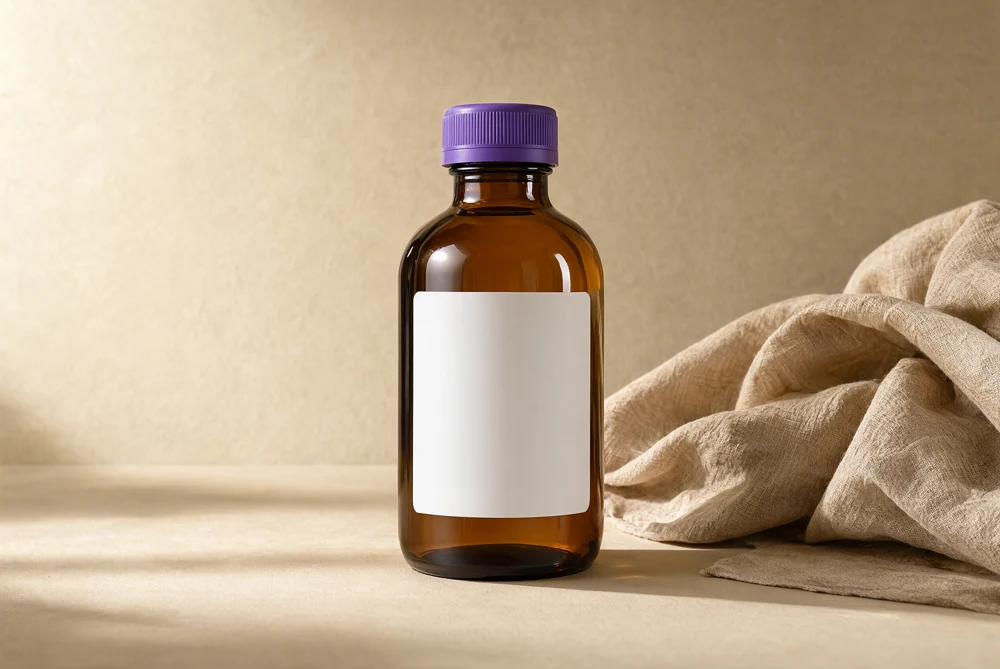
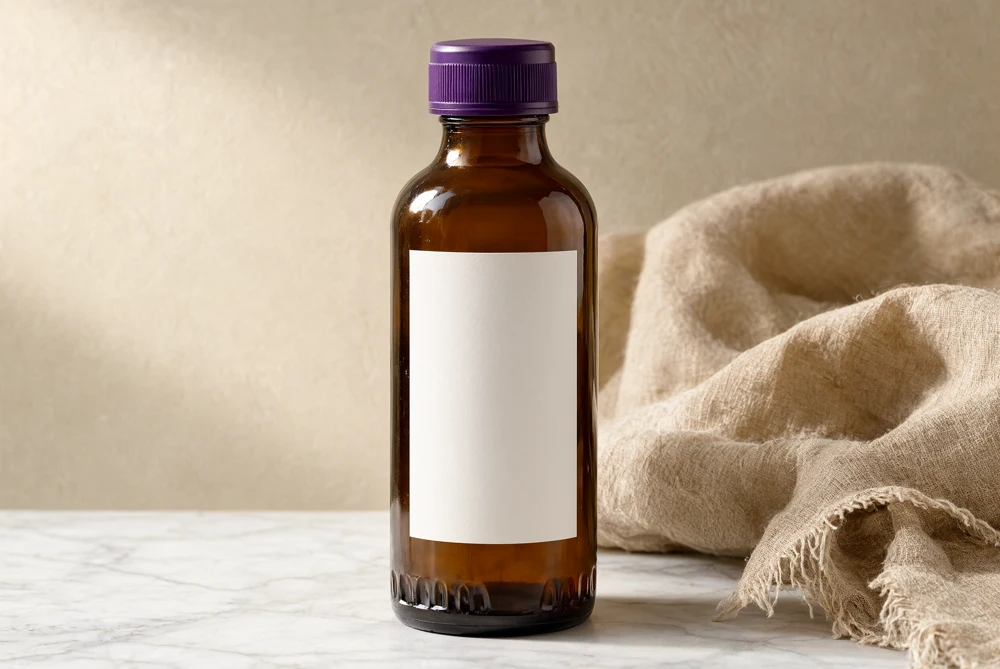
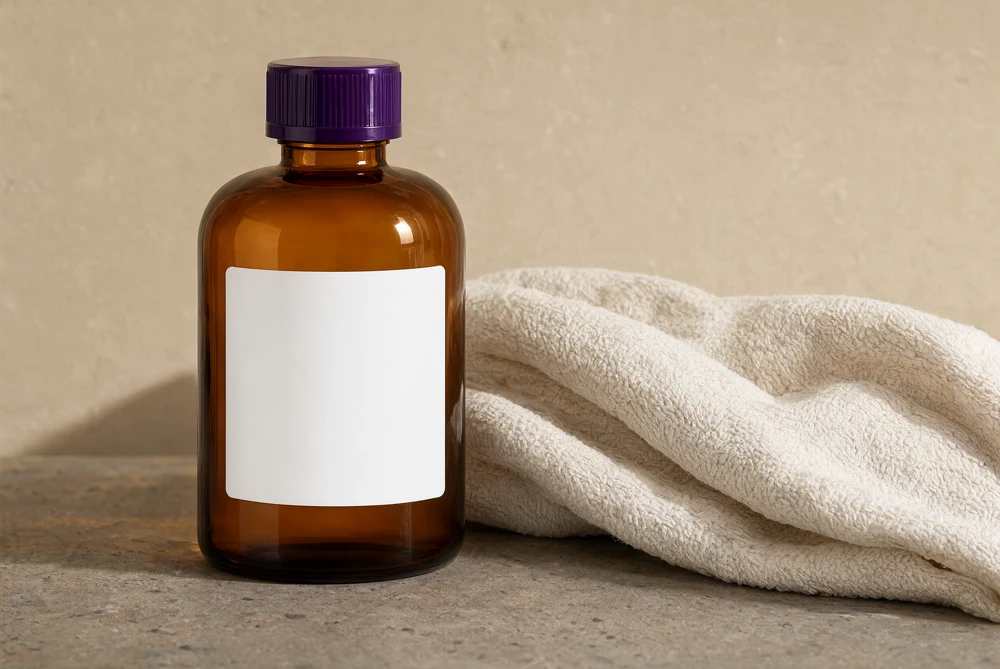
short-1 · original 2512 × 1680short-2 · original 2512 × 1680medium-1 · original 2512 × 1680medium-2 · original 2736 × 1536long-1 · original 1680 × 2512long-2 · original 1536 × 2736
Take
Violet cap
Centered blank white label
Light from left
Linen placement
short-1
Yes
Yes
Yes
Folded cloth behind right
short-2
Yes
Yes
Yes
Loose folds behind right
medium-1
Yes
Yes
Unclear
Folded cloth behind right
medium-2
Yes
Yes
Yes
Hanging fabric at right
long-1
Yes
Yes
Yes
Folded cloth behind right
long-2
Yes
Yes
Yes
Stacked folds behind right
Five images show fabric resting in folds behind and to the right of the bottle. Medium take 2 turns it into a hanging backdrop. Medium take 1 has a broad front reflection and a shadow extending left, so the requested light direction is unclear. Fabric material is a visual judgment. These distinctions matter more to a product photographer than a single aggregate score.
The long prompt also left room for two closures: take 1 has a narrow stepped top, while take 2 has a smooth cylindrical cap. If matching a real package is the goal, specifying that shape would resolve more uncertainty than repeating the word “violet.”
How should each image be scored?
Check four requirements independently. Is the cap violet? Is the blank white label centered on the bottle front? Do shadows or highlights indicate light from camera left? Is folded linen visible behind the bottle on the right? Mark each yes, no or unclear before revealing the prompt label. Also flag a missing or non-amber bottle as a subject failure. Keep both takes side by side so a lucky result cannot stand in for its pair.
Can the framing change be attributed to prompt length?
No. The six files show a difference in framing across these prompt groups, but the experiment did not isolate length. The wording changed and the exports used different shapes. Seeds and effective interface settings were not retained. Those gaps prevent a causal claim that adding words made the images portrait.
For a product brief, choose the shortest candidate that states the requirements without ambiguity, then inspect those requirements in the output. Here, cap shape and whether linen should rest on the table are useful details to specify. Adding adjectives that leave those choices unresolved would make the text longer without making the acceptance rule clearer.
Choose a prompt by the missing instruction, not its length
These six outputs can help revise this bottle brief even though they cannot identify an optimal prompt length. The practical gaps are whether the cap has a particular shape, whether the linen rests on the table, and whether the light direction can be judged. Adding those requirements is different from repeating existing adjectives.
Observed issue
Targeted revision to test
What to keep fixed
Different cap shapes
Specify a smooth cylindrical violet cap if that is the approved product
Model, aspect ratio and all other settings
Linen becomes a hanging backdrop
State that folded linen rests on the tabletop behind the bottle
Composition and light instruction
Lighting direction is unclear
State a visible shadow direction consistent with the desired source
Object layout and background
These are proposed revisions, not additional generated results. The tester has confirmed that the images were generated in Token360 Playground. The missing seed and effective settings remain missing. Preserve the original three prompts and six exports as a wording case study; a future controlled comparison should separate necessary new constraints from redundant words. For a production template, select the wording that explains the approved object, then judge its actual outputs rather than promoting a word count to a rule.
To extend this six-output review, use the AI model evaluation framework to keep the model route, source brief, output count and acceptance rubric fixed while varying prompt length. This makes the prompt-length decision traceable without treating the small sample as a general reliability estimate.
Frequently asked questions
Can these images identify an optimal encoder token count?
The word counts describe the submitted English text. Encoder token counts require the exact tokenizer and preprocessing used by the route. See the Hugging Face guide to tokenization. This experiment can show which wording met this brief in six runs.
What if both takes disagree?
Report both outcomes for that detail. A split result warrants another paired test before changing a production template.


 Prompt Library
 Insights
 Insights